

Why Teen Jobs Matter More Than Ever in 2026
Looking for your first job can feel overwhelming.

You might be searching for "part time jobs" or "office jobs near me," scrolling through listings for Taco Bell jobs or Dollar Tree jobs, wondering where to even start. Here’s the thing: getting a job as a teen in 2026 is about so much more than just earning some spending money. It’s a crucial step that shapes your future in ways you might not expect.
Right now, the job market for teens is a mixed picture. While the overall economy added jobs in early 2026, the unemployment rate for teenagers was notably high at 13.7%, according to the latest official government report.
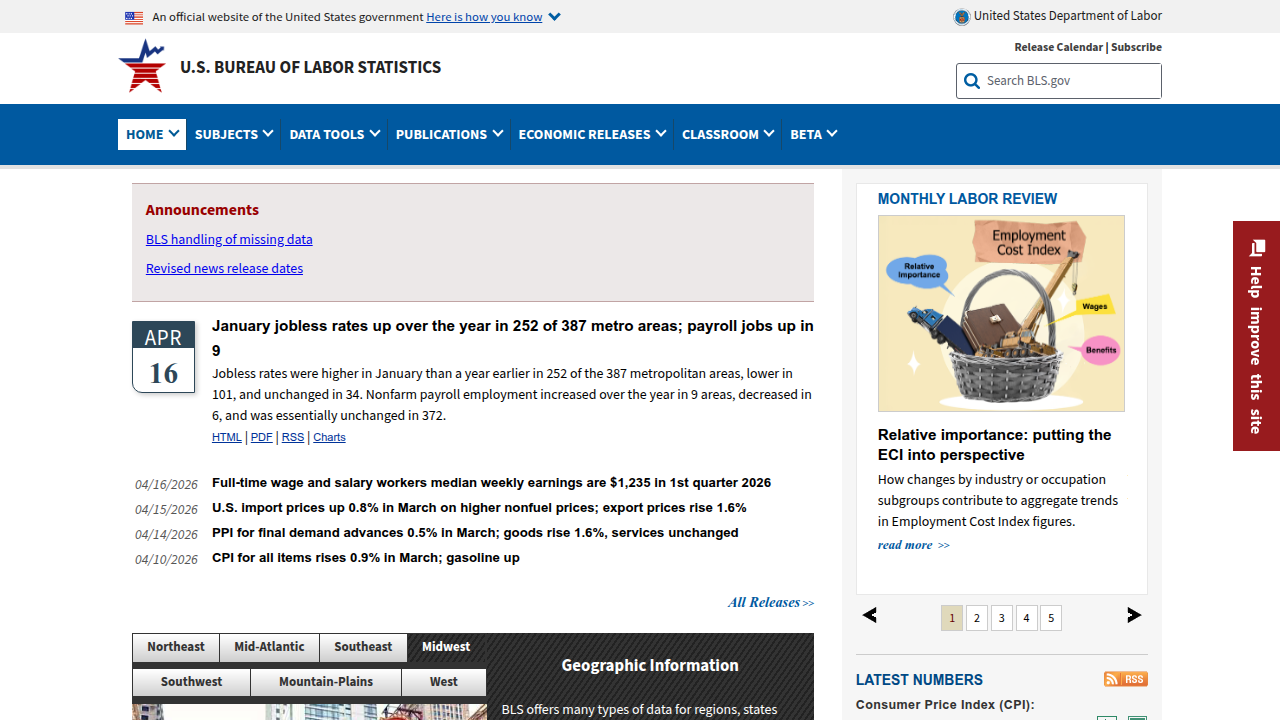
For many young people, especially from Black and Latino communities, finding work is an even bigger challenge, with a significant majority being jobless. This isn’t just a number. It represents real missed opportunities for building skills, confidence, and a financial foundation.
That’s why landing one of those jobs for teens is so important today. Early work experience teaches you responsibility, time management, and how to work with others. It’s your first real taste of professional life. You learn how to handle money, deal with customers, and solve problems on your own. These aren’t just skills for a summer gig; they are the core building blocks for any successful career you choose later, whether you stay in traditional roles or move into fields like remote sales.
We know it’s not easy. Between navigating age restrictions, a competitive market, and balancing school, the search can be frustrating. Maybe you’ve looked at our guide to jobs for 15-year-olds and realized your options are limited. That’s okay. Understanding the landscape is the first step to conquering it.
This guide is here to cut through the noise. We’ll explore the best opportunities available to you right now, how to find them, and how to turn that first job into a launching pad for everything you want to achieve. Let’s get started.
The Key Benefits of Jobs for Teens Beyond Earning Money
Okay, you got the job. That first paycheck feels amazing, right? You’re thinking about new clothes, saving for a car, or finally having your own spending money. That’s a huge win. But here’s something even better.
That summer job at a local shop or those part time jobs you see posted for Taco Bell jobs or Dollar Tree jobs are doing way more for you than just filling your wallet. In 2026, with a competitive landscape, the real value of these roles isn’t just in the dollars. It’s in the invisible toolkit you’re building for your entire future.
Let’s break down the three biggest benefits you get from jobs for teens that have nothing to do with your bank account.
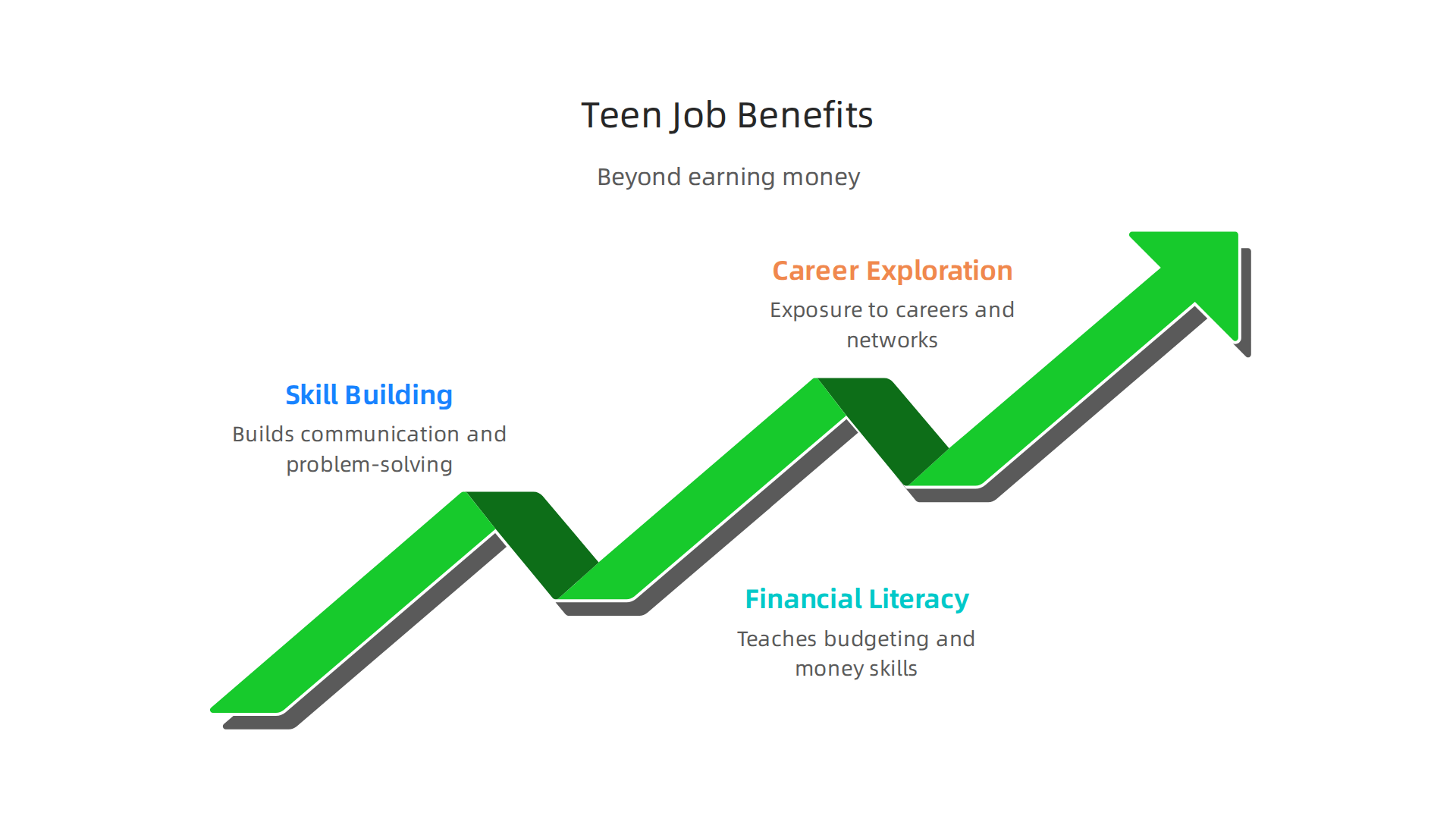
1. Building Your Core Skill Set: Communication, Time Management, and Problem-Solving
Think about a busy Saturday. You’re handling a line of customers, restocking shelves, and helping a coworker find a product. In that chaos, you’re not just "working." You’re actively training skills that every single employer, everywhere, desperately wants.
- Communication: You learn to talk clearly with managers, teammates, and sometimes frustrated customers. This isn’t school presentation skills; it’s real-world, on-your-feet talking that builds confidence fast.
- Time Management: Juggling school, homework, a social life, and your shift schedule teaches you to prioritize like a pro. You learn what "being reliable" really means.
- Problem-Solving: The register freezes. A shipment is late. A task isn’t clear. Early jobs force you to think, adapt, and find solutions, often without someone holding your hand.
These are transferable skills. They’ll help you whether your next step is college, a trade, or searching for office jobs near me. They form the foundation for any advanced career, including flexible fields like remote sales. Starting this training early gives you a massive head start.
2. Financial Literacy and Fostering Real Independence
Managing your own money is a superpower most adults wish they learned earlier.

A teen job is your hands-on financial literacy course.
When that paycheck hits, you face real choices. Do you spend it all? How much should go into savings for that big goal? What even is a tax withholding? Earning your own money shifts your mindset from "Can I have money?" to "How should I use my money?"
This early practice in budgeting, saving, and understanding the value of work is a form of independence you can’t get anywhere else. It builds confidence and smarts that protect you financially for life. In an economy where even older teens saw employment drop in early 2026, as noted in one employment analysis, the teens who are working are gaining this crucial advantage.
3. Career Exploration and Planting Seeds for Your Network
Your first job probably won’t be your dream career. And that’s perfect. It’s a low-risk laboratory to figure out what you like and what you really don’t.
Do you love the fast pace of a restaurant? Maybe operations or hospitality is for you. Do you prefer organizing the stock room? Look into logistics or inventory management. Hate dealing with rude customers? That’s valuable intel too. It guides you toward roles that fit your personality.
Plus, you’re starting your professional network. That kind manager, the responsible coworker, even the regular customer who owns a local business these are your first professional contacts. A good reference from your first job is the golden ticket to your next, better opportunity. It’s how you move from any job to the right job.
In 2026, building this early experience is critical. Recent data shows significant joblessness among youth, with one 2026 brief highlighting that a majority of Black and Latino teens were jobless. For those who do land a role, the benefits we just talked about are a powerful counter to those statistics, offering a path to long-term stability.
So, while you’re searching for that perfect part time jobs listing, remember you’re not just looking for a task. You’re looking for your first step in building the skills, wisdom, and connections that will define your success. Ready to find an opportunity that fits your age and goals? Start with our guide to jobs for 15-year-olds for a safe, legal launchpad.
Top Job Categories and Opportunities for Teens in 2026
Now that you know all the amazing benefits of having a job, you’re probably wondering, "Where do I even start looking?" Great question. The good news is that in 2026, the landscape for jobs for teens is more varied than ever. From the classic after-school gig to building skills online, there’s an opportunity that fits your schedule, location, and interests.
Let’s explore the three main categories where you can find excellent part time jobs.

1. Traditional Part-Time Jobs: Retail, Food Service, and Hospitality
These are the classic first-job staples for a reason. They’re everywhere, they often have flexible hours for students, and they provide that unbeatable hands-on experience we talked about. Think of local shops, grocery stores, movie theaters, and restaurants.

- Retail: Working as a sales associate, cashier, or stocker at places like clothing stores, big-box retailers, or local shops. You’ll build customer service and teamwork skills fast. Searching for general office jobs near me might also lead you to local business offices needing part-time clerical help.
- Food Service: This includes roles like cashier, server, host, or kitchen helper at fast-food chains or sit-down restaurants. Jobs at popular chains are often a great entry point, providing structured training.
- Hospitality: This could mean working at a hotel as a front desk assistant, a bellhop, or in housekeeping. It’s all about helping guests and keeping things running smoothly.
These roles are consistently highlighted as top opportunities for high school students, offering a solid foundation in professional responsibility, as noted in career guides for best jobs for teens in 2026.
2. Online and Remote Opportunities: Tutoring, Content Creation, Freelancing
Your first job doesn’t have to be in person. The digital world is full of possibilities that you can do from your computer, often on your own time. This is a fantastic way to turn a hobby or academic strength into income.
- Tutoring: Are you great at math, science, or a foreign language? You can offer tutoring sessions online to younger students. Platforms exist to connect tutors with clients, or you can start by offering your services in your local community.
- Content Creation: This covers a lot! You could manage social media for a small local business, help a YouTuber with editing, write blog posts, or even do simple graphic design. It’s all about using your digital skills.
- Freelancing: As you build specific skills, like writing, basic coding, or digital organization, you can take on small freelance projects. This path requires more initiative but teaches you how to run your own mini-business. For teens interested in sales, exploring the fundamentals of remote sales online can be an exciting way to learn persuasive communication.
3. Seasonal and Summer Jobs: Camps, Lifeguarding, Event Staff
When school is out, a whole different set of opportunities opens up. These jobs are often more intensive and immersive, perfect for making the most of your summer break.
- Camp Jobs: Become a camp counselor, activity leader, or support staff. It’s a chance to be outdoors, work with kids, and develop serious leadership skills.
- Lifeguarding: If you’re a strong swimmer and get certified, lifeguarding at a community pool or beach is a rewarding and responsible summer job.
- Event Staff: Local festivals, fairs, concert venues, and sports stadiums need tons of help with ticketing, concessions, ushering, and setup. These jobs are fast-paced and fun.
- Landscaping & Outdoor Work: Many landscaping companies hire extra help in the summer for mowing, gardening, and maintenance. It’s hard work but great for staying active and earning good pay.
As one resource on summer job ideas for teens points out, seasonal work is also a prime time to explore trades or apprenticeships if you’re interested in hands-on skilled work.
The key is to match the opportunity with what you’re looking for right now. Want to build people skills and earn steady pay? Look at traditional part time jobs. Want flexibility and to build digital skills? Explore online gigs. Ready to dedicate your summer to an immersive experience? Seek out seasonal roles.
No matter which path you choose, you’re taking a powerful step. Remember, your age doesn’t limit your options. If you’re on the younger side, start by checking out our guide to jobs for 15-year-olds to understand the best and safest places to begin your search.
Sales and Customer Service Roles: A Launchpad for Ambitious Teens
You might think of sales as just pushing products in a store. Actually, it’s one of the most powerful skill-builders you can find. For teens looking at part time jobs, roles in sales and customer service are a secret superpower.

They teach you how to communicate, solve problems, and understand people. These are the exact skills that can launch a successful career, especially in high-earning fields.
Entry-level sales positions are perfect for getting started. Think about being a retail sales associate at a clothing store, a brand ambassador at a local event, or a cashier who helps customers make choices. Major chains that often hire teens, like Taco Bell or Dollar Tree, offer these front-line roles. They are consistently listed among the best jobs for teens in 2026 because they build confidence and resilience. You learn to present ideas clearly and handle rejection, which is a huge part of any sales job, even the advanced ones.
Customer service is the other side of the same coin. Working as a server, a hotel front desk assistant, or a support agent teaches you patience, active listening, and how to turn a frustrated person into a happy one. These "soft skills" are the absolute foundation for high-ticket sales, where understanding a client’s real needs is everything. Every time you solve a problem for a customer, you’re practicing for bigger negotiations.
The best part? The experience you gain here doesn’t just apply to in-person work. The communication and persuasion skills you develop are exactly what companies look for in remote sales support roles. You could use this foundation to explore remote sales opportunities, providing backend support, setting appointments, or managing customer accounts from your computer. If you’re intrigued by this path, our guide on the simple method to start a remote sales side hustle in 2026 is a great next step to see how these starter skills can scale.
So, whether you’re searching for office jobs near me or a position at a local shop, don’t overlook a sales or customer service gig. It’s more than a paycheck. It’s a launchpad that builds the essential toolkit for any ambitious future.
How to Find and Secure Jobs for Teens: A Step-by-Step Guide
You know the kinds of jobs for teens that are out there. But how do you actually go from thinking about it to holding that first paycheck? The process can feel overwhelming if you don’t know where to start. Let’s break it down into simple, actionable steps you can take right now.
Step 1: Look in the Right Places
Your search shouldn’t be random. Be strategic about where you hunt for openings.
- Start with Teen-Specific Platforms: Websites like Teens4Hire.org are built just for you.

They list part time jobs, summer work, and internships specifically for teens aged 14-19. It’s a great first stop to find opportunities that understand your schedule and experience level.
- Use Major Job Boards Smartly: Sites like Indeed and ZipRecruiter are powerful tools. Don’t just search for "teen jobs." Be specific. Try "retail associate," "crew member," "recreation aide," or "tutor." You can also search by companies you know hire teens. For example, searching for Taco Bell jobs or Dollar Tree jobs on these platforms can show you local openings instantly. Want to see what’s nearby? A search for "office jobs near me" might reveal assistant roles at local businesses that are teen-friendly.
- Go Direct: Never underestimate the power of walking in. Dress neatly, bring a simple resume, and ask to speak with a manager at stores, restaurants, or community centers you’d like to work at. This initiative often makes a huge impression.
Step 2: Build a Simple, Strong Application
You don’t need a long work history to have a great resume. You have skills.
- Craft a Teen-Friendly Resume: Focus on what you have done. List babysitting, lawn mowing, volunteer work, or school projects. Highlight skills like reliability, customer service, teamwork, and tech savviness. For more detailed help, especially if you’re younger, check out our guide on jobs for 15-year-olds for resume tips tailored to your age.
- Ace the Interview: Practice makes perfect. Be ready to answer common questions like "Tell me about yourself," "Why do you want to work here?" and "Describe a time you handled a difficult situation." Research from career sites shows that preparation is the key to confidence. Show up on time, make eye contact, and have a few questions ready to ask them, like "What does a typical day look like in this role?"
Step 3: Tap Into School and Community Resources
Some of the best opportunities aren’t always advertised online.
- School Career Centers: Your high school counselor or career center often has partnerships with local businesses and lists of available jobs for students. Ask them.
- Explore Internships: Programs like AZYouthforce are fantastic.
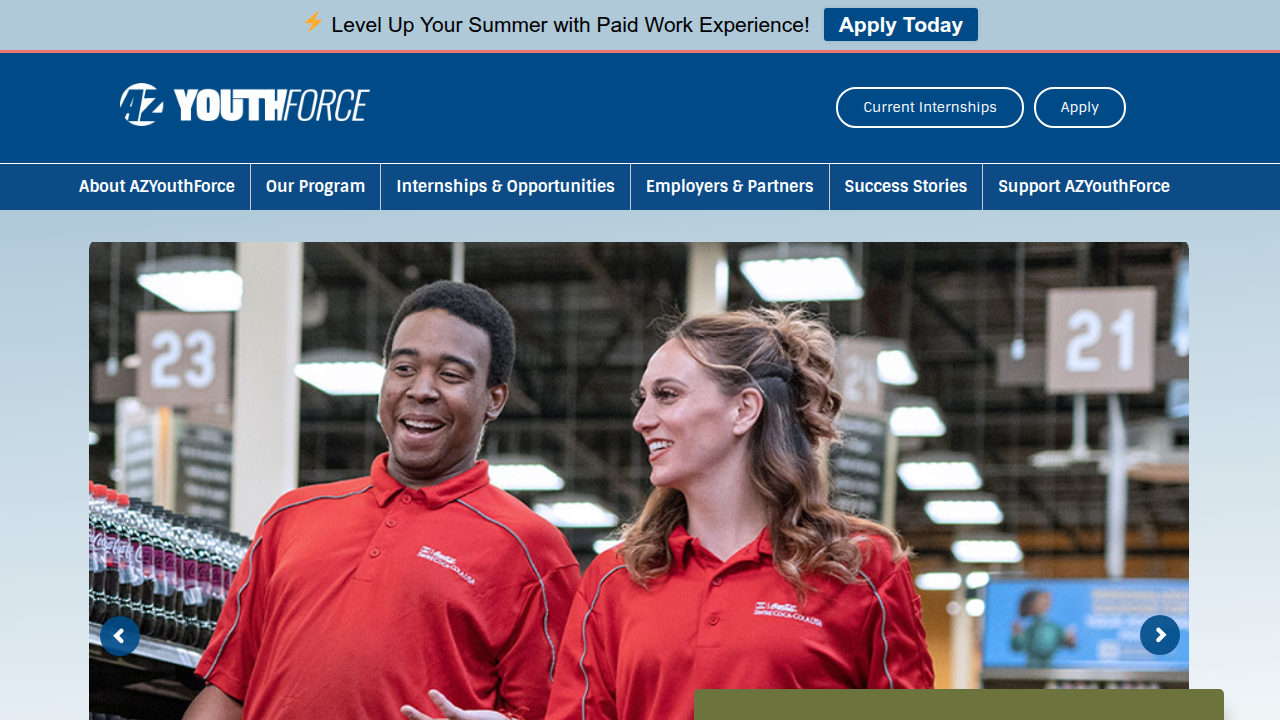
They connect teens with paid internships that provide real-world experience and skill training, which looks amazing on future resumes and college applications.
- Find Summer Programs: Many communities offer structured summer employment programs for youth. These are designed to teach job skills in a supportive environment. Resources like 211 Arizona’s Summer Youth Employment list can help you find these opportunities.
Finding your first job is a skill in itself. By following these steps, you move from hoping for a job to actively building your path to one. Each application you fill out and each interview you complete is practice for the future. Start your search today.
Understanding Teen Labor Laws and Regulations
You found a great job and aced the application. That’s a huge step. But before you start, there’s one more crucial thing to know: the rules. Understanding the laws that protect teen workers keeps you safe, ensures you’re treated fairly, and helps you spot a good employer from a bad one. It’s not just red tape; it’s your safety net.
These laws set clear boundaries for how many hours you can work, what times of day you can work, and what kinds of jobs are off-limits because they might be dangerous. Employers must follow these rules, and you should know them too.
Key Rules for Teen Workers in the U.S.
In the United States, the Fair Labor Standards Act (FLSA) sets the baseline federal rules, but your state might have even stricter laws. Always check your state’s labor department website for the final word. Here’s the general framework.
Age Is the Biggest Factor
The law groups teens by age, with different rules for each group.

- Ages 14-15: This is when you can start most formal jobs for teens, but with tight limits. You typically need a work permit from your school. You can only work outside school hours, with a max of 3 hours on a school day and 18 hours in a school week. In summer, you can work more, but still only 8 hours a day and 40 hours a week. Jobs are generally limited to safe, non-hazardous work like retail, office assistance, or food service (like certain Taco Bell jobs or Dollar Tree jobs). Operating heavy machinery or cooking with certain equipment is prohibited. If you’re looking at options, our guide on jobs for 15-year-olds breaks down safe, legal opportunities.
- Ages 16-17: You have much more freedom. Federal law doesn’t limit your hours, so you can take on more part time jobs or even full-time work. However, many states do set limits, like not working past 10 p.m. on a school night. The list of dangerous, prohibited jobs (like mining, roofing, or logging) gets smaller but still exists.
- Age 18 and over: You’re considered an adult under federal labor law, with no restrictions on hours or times of day you can work.
Two Universal Rules for All Teens
No matter your age, two major protections apply nationwide:
- Minimum Wage: You must be paid at least the federal minimum wage (or your state’s minimum wage if it’s higher). There’s a "training wage" for teens under 20 for the first 90 days of employment, but it has specific conditions.
- Overtime Pay: If you work more than 40 hours in a workweek, you are generally entitled to overtime pay (1.5 times your regular rate).
How Laws Differ in Other Countries
If you’re reading this from the UK, Canada, Australia, or New Zealand, the principles are similar—protecting young workers—but the details vary.
- United Kingdom: You can work part-time from age 13, but only in certain light jobs. From 16, you can work full-time if you’ve left school. There are strict rules on night work and hours for those under 18.
- Canada: Labor laws are set by each province or territory. Generally, you can work from age 12-14 (depending on the province) with parental consent and restrictions on hours and job types. The legal working age without as many restrictions is usually 15 or 16.
- Australia & New Zealand: Both countries have strong protections. In Australia, the national minimum wage applies, but junior wage rates (a percentage of the adult wage) are common for teens. New Zealand has a minimum starting age of 15, with some exceptions, and limits on night and late work for school-aged employees.
International bodies like the International Labour Organization work to establish global labor standards that many countries follow. Reports also show governments are increasingly focused on age-dependent laws to protect young people in all areas, including work.
Knowing these rules does two things. It empowers you to have confident conversations with employers, and it ensures your first job is a positive, safe stepping stone in your career. If an employer asks you to break these rules, it’s a major red flag. Your safety and legal rights come first.
Critical Skills Teens Develop Through Employment
Now that you know the rules, let’s talk about the real win of having a job. Sure, the paycheck is great. But the most valuable thing you earn isn’t just money. It’s skills. Think of every shift as a live training session for your future.
Whether you’re working at a local cafe, stocking shelves, or helping out in an office job near me, you’re building a powerful toolkit. This toolkit has two main compartments: hard skills and soft skills. Together, they don’t just make you a better employee today; they lay the exact foundation you need for high-paying careers tomorrow, especially in fields like remote sales and high-ticket closing.
Building Your Hard Skills Toolkit
Hard skills are the specific, teachable abilities you need to perform a task. They are the "how-to" of any job. For teens, these often come from hands-on experience.
- Cash Handling & Point-of-Sale Systems: Working a register at a Dollar Tree or a Taco Bell teaches you precision, honesty, and how to use complex software. You learn to manage transactions, give correct change, and balance a cash drawer at the end of a shift. This builds financial literacy and trustworthiness.
- Technology & Software Use: Many part time jobs involve using scheduling apps, inventory databases, or customer management systems. Even basic data entry for an office job teaches you attention to detail and how to navigate digital tools that are used in almost every modern career.
- Industry-Specific Knowledge: Every job has its own language and processes. You might learn about food safety protocols in a restaurant, visual merchandising in retail, or basic administrative workflows. This shows you can be trained and adapt to a professional environment.
Mastering the Essential Soft Skills
This is where the magic happens. Soft skills are how you work with others and manage yourself. Experts agree these are the non-negotiable traits for success in advanced careers like sales. A guide on breaking into remote sales notes that skills like negotiation, communication, and relationship-building are highly transferable and open doors to opportunity.
- Communication: You learn this daily. You explain menu items to a confused customer. You ask your manager for clarification on a task. You work through a scheduling conflict with a coworker. Every interaction sharpens your ability to listen and express yourself clearly.
- Teamwork & Collaboration: A busy shift is a team sport. You have to rely on others and be someone they can rely on. You learn to coordinate, share responsibilities, and celebrate group wins. This is directly applicable to any future workplace.
- Resilience & Problem-Solving: Not every customer is happy. A shipment might be late. The point-of-sale system could crash. Jobs for teens constantly present small challenges that teach you to stay calm, think on your feet, and find a solution without panicking.
- Negotiation & Persuasion: This might sound advanced, but you start learning it early. You might negotiate your schedule with a manager or persuade a customer to try a new promotion. As one resource on high-ticket closing points out, to thrive you need a solid grasp of consultative sales strategies and persuasive communication. Your first job is where you start practicing this art in low-stakes environments.
How Your First Job Prepares You for Sales & Remote Closing
You might be wondering, "How does working a counter prepare me for a remote sales career?" The connection is incredibly strong.
High-ticket sales is about managing value, not just transactions. It requires confidence, emotional intelligence, and the ability to handle objections calmly. These are exactly the muscles you flex in service and retail jobs for teens.
When you deal with a difficult customer, you’re practicing "objection handling." When you work efficiently with a team during a rush, you’re building the collaboration skills needed for a remote sales team. The resilience you build from a long, tough shift is the same resilience that lets a sales closer bounce back from a "no" and try again.
These foundational experiences are what employers in lucrative fields are looking for. Job posts for high-ticket closers often ask for proven experience in phone-based sales and the ability to confidently handle clients. Where do you think that foundational confidence comes from? It starts with confidently handling your responsibilities in your very first job.
Your early work experience is more than a line on a resume. It’s your first classroom for the professional world. The skills you build now are the same ones that will empower you to explore advanced, high-income paths later, like the ones we outline in our guide on how to find high-ticket remote sales jobs in 2026. Start paying attention to what you’re learning, not just what you’re earning. It’s the ultimate return on investment.
From Teen Jobs to High-Ticket Sales Careers: A Strategic Path
You’ve built your toolkit of skills. Now, let’s look at the map. How do you go from your first jobs for teens at places like Taco Bell or Dollar Tree to a high-income career in remote sales? The path is clearer than you might think. It’s a strategic bridge you build, piece by piece.
First, let’s connect the dots between your early experience and the exact skills sales leaders hire for.
Your Teen Job Is Your First Sales Training Ground
Every interaction in a service or retail role is a mini sales lesson. When you recommended an extra item to a customer, you were practicing "upselling." When you calmly explained a policy to someone who was upset, you were handling an "objection." These aren’t just random tasks. They are the foundational drills for a sales career.
Look at this simple map of how common jobs for teens build specific sales muscles:
| Your Teen Job Experience | The Sales Competency You’re Building |
|---|---|
| Working a busy counter at a fast-food restaurant | Handling pressure, multi-tasking, and quick, clear communication. |
| Assisting customers in a retail store | Identifying needs, recommending solutions, and closing a "sale" (the purchase). |
| Managing a schedule with a manager | Negotiation and professional communication. |
| Working on a team during a rush | Collaboration and teamwork, essential for modern sales pods. |
| Dealing with a difficult customer | Emotional intelligence and objection handling, the core of high-ticket closing. |
Experts note that the skills learned in high-ticket sales, like negotiation and relationship-building, are highly transferable. The reverse is also true. The resilience and communication you learn now are directly transferable into sales.
The Bridge-Building Steps: From Earning to Closing
Building the bridge from entry-level work to professional sales involves intentional steps. You don’t just jump. You walk across a path you’ve built.
Step 1: Choose Strategic "Next-Step" Jobs
After your first job, look for roles that get you closer to a sales environment. This could mean a customer service representative position, a front desk role at a gym, or a brand ambassador gig. These positions put you in more direct, persuasive communication cycles. Use job boards like Indeed or ZipRecruiter and search for "customer service" or "client facing" roles instead of just "teen jobs."
Organizations like AZYouthForce also offer internships that can provide more structured professional experience.
Step 2: Invest in Targeted, Free Education
While you’re gaining experience, start learning the language of sales. In 2026, there are more free resources than ever. Watch tutorials on consultative sales strategies. Listen to podcasts about persuasion. A great place to start is with our guide on how to find high-ticket remote sales jobs in 2026, which breaks down the industry. This free research phase is critical.
Step 3: Frame Your Experience for Sales
This is the secret. When you apply for a sales role, you translate your teen job experience into sales speak. Don’t just say, "I worked at a coffee shop." Say, "I managed high-volume customer transactions, consistently upsold promotional items, and resolved client concerns, maintaining a positive brand experience." This reframing shows you already understand the core of the job.
Success Stories: They Started Where You Are
This path isn’t theoretical. Many of today’s top closers started with similar part time jobs.
Take Maria, who worked three years at a movie theater concession stand. She learned to work fast, smile under stress, and make quick recommendations. She used that story to land her first phone sales job. She framed her concession experience as "mastering rapid-fire customer engagement in a high-stimulus environment." She now works remotely closing deals for a tech company.
Or Alex, who started with landscaping jobs for teens. He talked about the discipline, hard work, and satisfaction of completing a project. He translated that into a narrative about "persistence and delivering tangible results" for his first sales interview in home services. He now sells high-ticket business software.
Your story is your advantage. The grit you develop, the communication skills you hone in those early office jobs near me or service roles—that’s your foundation. It proves you can show up, handle pressure, and work with people. From there, you add the specific sales knowledge, which you can start learning today. The bridge from your first job to your dream career is built one skill, one reframed experience, and one strategic step at a time. Your journey has already begun.
Summary
This article explains why landing a teen job in 2026 matters far beyond pocket money, outlining the current labor landscape and the long-term advantages of early work experience. It covers the main job types teens can pursue—traditional retail and food service, online and remote gigs, and seasonal roles—plus practical steps to find and secure work. The guide explains legal limits by age, key protections like minimum wage and overtime, and how to spot safe, legal roles. You’ll learn which transferable hard and soft skills employers value, how to frame teen experience for future sales or remote roles, and simple next steps to build a resume and interview with confidence. The article stresses equity concerns and points to resources for internships and youth programs, helping readers turn first jobs into meaningful career momentum.