
Introduction: Why Starting with No Cash is Possible, and What This Guide Will Do For You
Have you ever dreamed of starting your own business but stopped because you thought you needed a lot of money?

Many people do. The idea of not having enough cash, not knowing if your idea will work, or worrying about whether people will trust your brand can feel like big walls. This is especially true if you are a job seeker or someone in remote sales looking to build something new for yourself. You might ask, "how do you start a business without money?" or "how can you start a business without money?" These are fair questions that many ambitious people face today in 2026.
Here’s the good news: It’s absolutely possible to learn how to start a business with no money. This guide will show you a practical, step-by-step way to do just that. We will focus on smart strategies that don’t need a big bank account. You’ll learn how to use your sales skills, free online tools, and the power of "pre-sales" to get started. Pre-sales means getting customers to commit to buying your product or service even before you fully build it, helping you prove demand and get initial funds without upfront costs 1, 2. This way, you can test if people want what you offer and get feedback early on 3, 4.
Building a business this way takes effort and time, not just money. We’ll show you how to aim for a "minimum viable outcome," which means creating just enough to solve a small problem for your first customers and get some income quickly 5. By the end of this guide, you will have a clear path to start a business with no money, use your skills to make sales, and take the first steps towards earning your first income. If you’re interested in remote work or sales, this approach can also help you develop valuable skills that can apply to a remote sales side hustle.
1) Pick the Right No-Money Business Model
Okay, so you’re ready to learn how to start a business with no money. The first big step is picking the right kind of business. Not all business ideas need a lot of cash to begin. Actually, some are perfect for starting small, using your skills, and growing as you earn. When you’re thinking, "how do you start a business without money?", these specific models are your best friends.
Here are a few smart options that let you how start a business with no money:
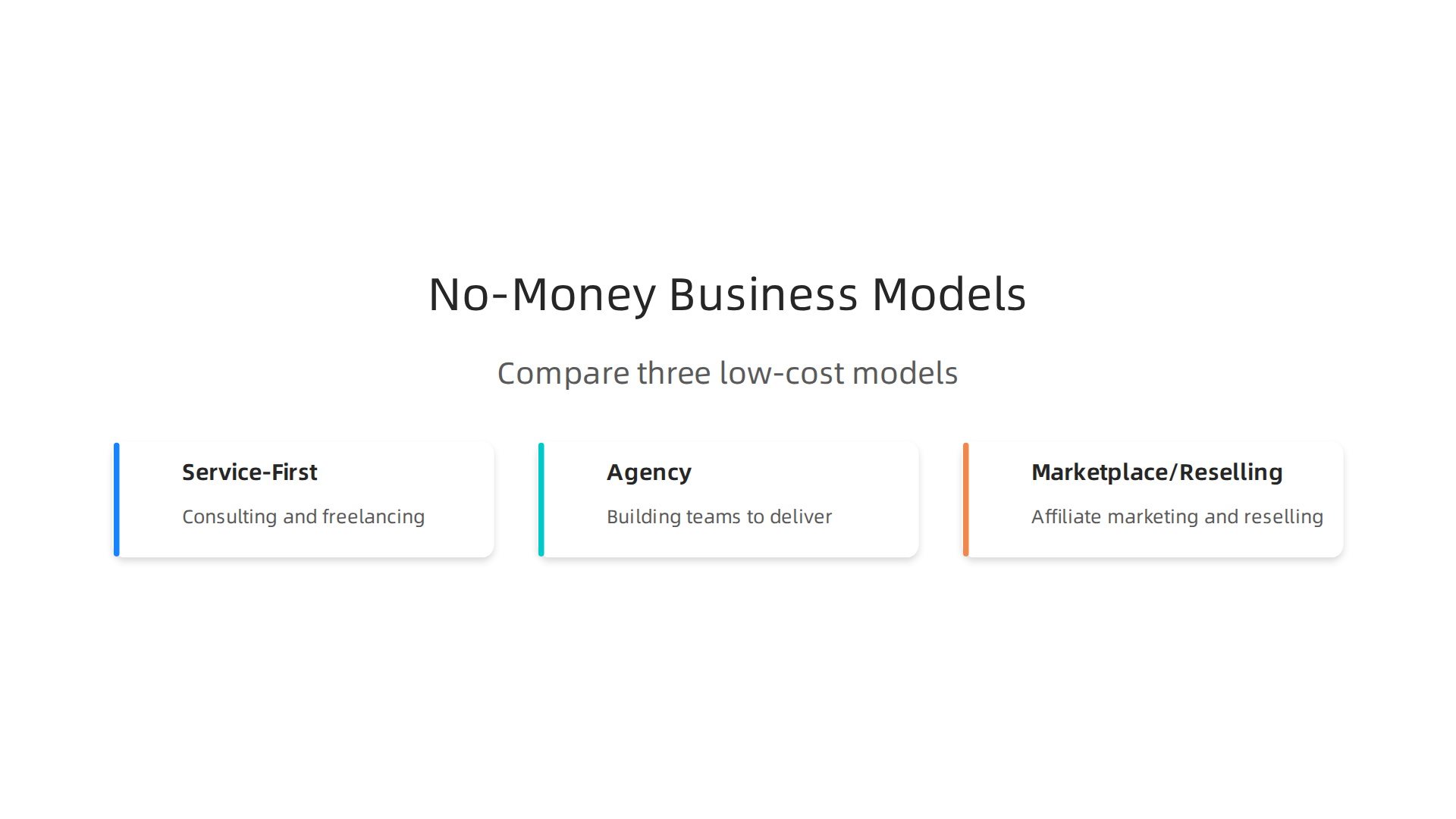
1. Service-First Businesses: Sell Your Skills and Time
This is one of the easiest ways to start up a business plan without a big investment. Instead of making a product, you sell your knowledge, skills, or time. Think of it this way: if you’re good at something, people will pay you for it.
- Consulting: If you know a lot about a certain topic, like marketing, sales, or how to use a specific software, you can offer advice to other businesses. You’re paid for your insights and strategies.
- Freelancing: This covers many different jobs, like writing, graphic design, social media management, or web development. You do specific tasks for clients and get paid per project or hour.
- Coaching: If you can help people reach their goals, whether it’s in their career, fitness, or personal life, coaching can be a great fit. You guide them through a process to get results.
Why these work without money: You don’t need to buy a lot of tools or inventory. You just need your expertise and a way to find clients. You can start working from home, which is perfect for remote workers or someone looking for a remote sales side hustle. For former sales pros and career switchers, these models are fantastic because you can use your strong communication and closing skills right away to get your first customers. You can even use pre-sales strategies to confirm people want your service before you fully commit, helping you validate your idea
1.
2. Agency Models: Building a Service Team Over Time
An agency is like a bigger version of a service business. You still offer services, but eventually, you might have other people help you deliver them. The key here is that you often don’t need to hire anyone until you’ve already found clients.
- How it works: You find clients who need a service (like digital marketing, web design, or lead generation). You sell them the service first. Then, you can either do the work yourself or, once you have enough clients, hire freelancers or contractors to help.
- Low upfront cost: You act as the salesperson and project manager. You only pay others when you have paying clients, meaning your costs are covered by your income. This is an excellent
small business ideaspath for those wonderinghow can you start a business without money. Your ability to sell and manage relationships is your main asset here.
3. Marketplace and Reselling Approaches: Connecting Buyers and Sellers
These models involve selling something you don’t own or create yourself. You act as the middle person.
- Affiliate Marketing: You promote products or services made by other companies. When someone buys through your special link, you get a commission. You don’t handle the product, shipping, or customer service. You just focus on the selling part.
- Reselling Digital Products: You might sell e-books, online courses, or software that someone else created, earning a percentage of each sale.
Great for sales experts: If you’re skilled in sales, these models let you focus purely on finding customers and making sales. You leverage existing products and trust signals that are already built into established offerings 2. This can lead to high-ticket sales opportunities where your closing skills really shine. You can learn more about finding these kinds of roles by reading our guide on how to find high-ticket remote sales jobs.
These models share a big advantage: they let you sell your time, skills, or existing offers first, then grow with the money you earn. This means you can get started right away without needing a lot of cash in the bank. You simply need to pick one that fits your skills and your passion.
Okay, you’ve got some great small business ideas and you’re thinking about how start a business with no money. That’s smart! The next big step, before you put in too much time or effort, is to make sure people actually want what you’re offering. This is called validating your idea.

It’s like asking, "Will anyone pay for this?" before you build a whole store.
2) Validate Your Idea Fast: Pre-Sales, Landing Pages, and Offers
Imagine you want to sell special handmade hats. You wouldn’t make 100 hats first, right? You’d probably show a few designs, ask friends if they like them, and maybe even take an order or two before buying all the materials. That’s what validating your idea is all about. It helps you start up a business plan that you know has a real chance.
Sell Before You Build with Pre-Sales
One of the best ways to test your business idea without spending money is through "pre-sales."
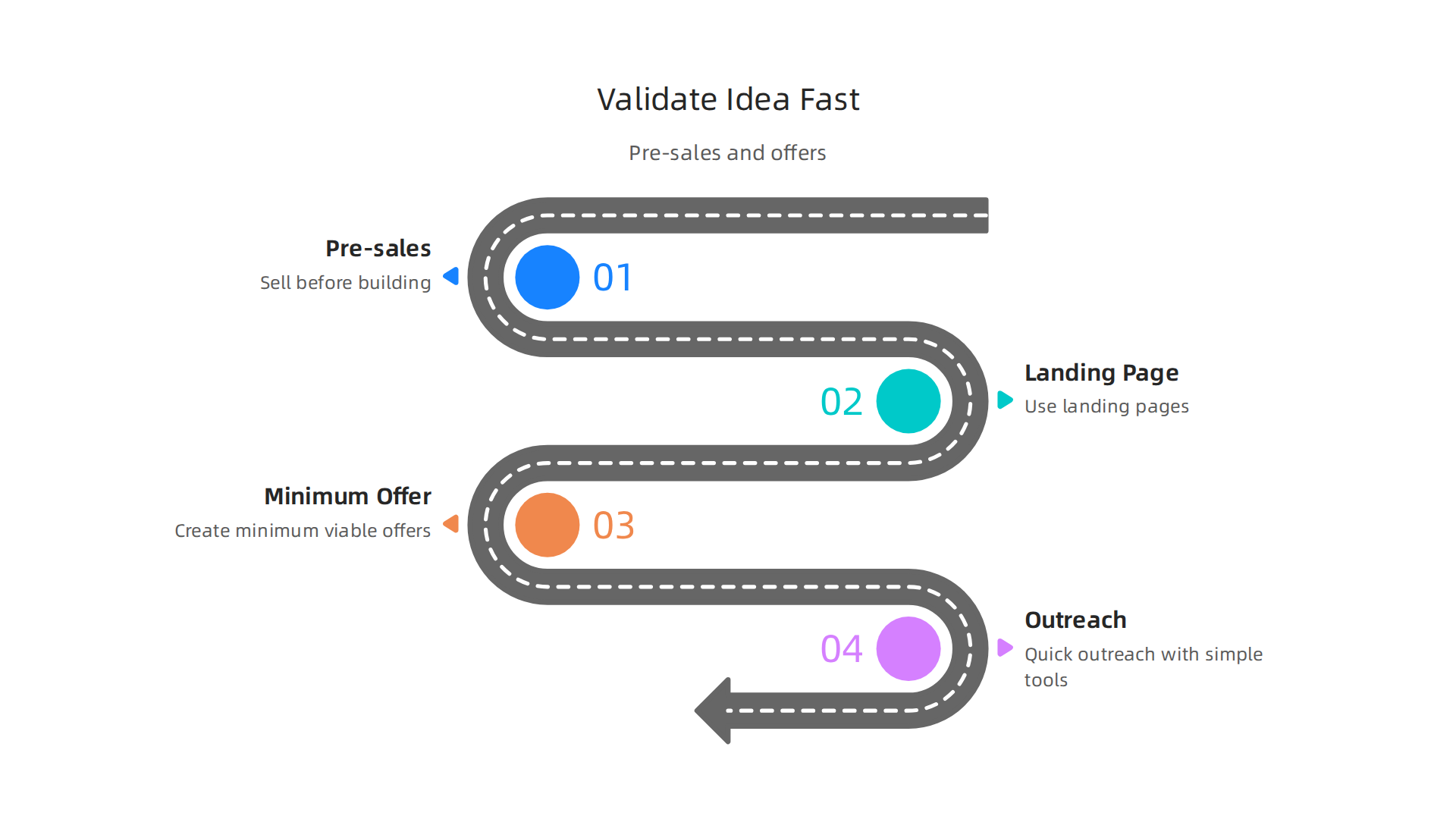
This means you sell your service or product before you fully create it. It’s a key part of understanding how do you start a business without money because it proves demand with actual customer payments, not just guesses 1.
Think of it like this:
- For services: You offer a consulting call or a small design project. If people book and pay, you know there’s interest.
- For products: You can take "pre-orders" for a digital course or a special item. If enough people pay upfront, you know it’s worth making 2.
People with sales backgrounds have a big advantage here. They already know how to talk to people, understand their needs, and explain how a service or product can help. This is what pre-sales is all about, engaging buyers early to close initial deals 3.
Make an Offer They Can’t Say No To
To get those first sales, you need clear offers. This often means creating a "Minimum Viable Offer" (MVO). An MVO is the simplest version of your service or product that still solves a customer’s problem. You don’t need a fancy website or a finished product. Just a clear way to explain what you’re selling and how much it costs. Many businesses use this approach in 2026 to prove their idea 4.
For sales pros, structuring these offers means using what you know about persuasion:
- Clear Pricing: Show your price clearly. Studies show that being open about costs can actually double conversion rates 5.
- Guarantees: Offer a simple promise, like a money-back guarantee, to make buyers feel safe.
- Trust Signals: Even in early talks, show you’re trustworthy. This could be a simple testimonial from someone you’ve helped or clear communication. Trust helps people decide to buy 6.
Quick Outreach and Simple Tools
You don’t need expensive tools to start.
- Reach Out: Use your network, send direct messages, or make calls to people who might need your service. Explain your MVO simply.
- Free Scheduling Tools: To book calls, use free online scheduling tools. Many good options exist in 2026 that let customers pick a time that works for them 7.
- Free CRM: A Customer Relationship Management (CRM) tool helps you keep track of who you talk to and what you discussed. There are great free CRM options for
small business ideasin 2026, like HubSpot’s free plan, which helps you manage contacts and track conversations without any cost 8.
By using these steps, you can find out how can you start a business without money and confirm that your idea has demand before you invest a lot of time or resources. This way, you’re building a business based on real needs and real customers. If you’re looking for more ways to use your sales skills for quick income, check out our guide on how to start a remote sales side hustle in 2026.
After you’ve checked that people actually want what you’re selling, the next step is to get your business ready without spending a lot of cash. This is where "free and low-cost tools" become your best friends. They help you build what’s called a "Minimum Viable Product" (MVP) or a simple service offering. Think of an MVP as the most basic version of your idea that still helps customers and proves your small business ideas can work. It’s how you really start to answer the question, "how do you start a business without money?"
Free Tools to Build Your Business Foundation
In 2026, there are many amazing tools you can use for free or very cheaply. These tools help you look professional and manage your business without big upfront costs.
Your Simple Online Home (Landing Page)
You don’t need a fancy website. A simple one-page website, often called a landing page, is enough to show what you offer and why people should buy from you. Many platforms let you build these for free or for very little money. You can use tools like Google Sites, or even a free plan from services like Carrd, to quickly set up a clean, clear page for your service or product.
Keeping Track of Your Customers (CRM)
Imagine trying to remember every person you talked to and what you discussed. Hard, right? That’s where a Customer Relationship Management (CRM) tool comes in. It helps you keep all your customer info in one place. Many excellent CRMs offer free plans perfect for small business ideas. For example, HubSpot provides a free plan that lets you manage contacts, track emails, and keep notes on conversations without any cost

1. Other popular free CRM options for small businesses in 2026 include folk and Zoho, which help you stay organized as you grow 2. If you want to see some options, there are even videos breaking down the best open-source CRM tools available.
Booking Meetings Made Easy (Scheduling)
If you’re selling a service or need to talk to potential clients, a scheduling tool is a must. These tools let people book a time with you that works for both of you, without endless back-and-forth emails. Many top scheduling software tools in 2026, like Calendly and Acuity Scheduling, have free versions that are great for beginners
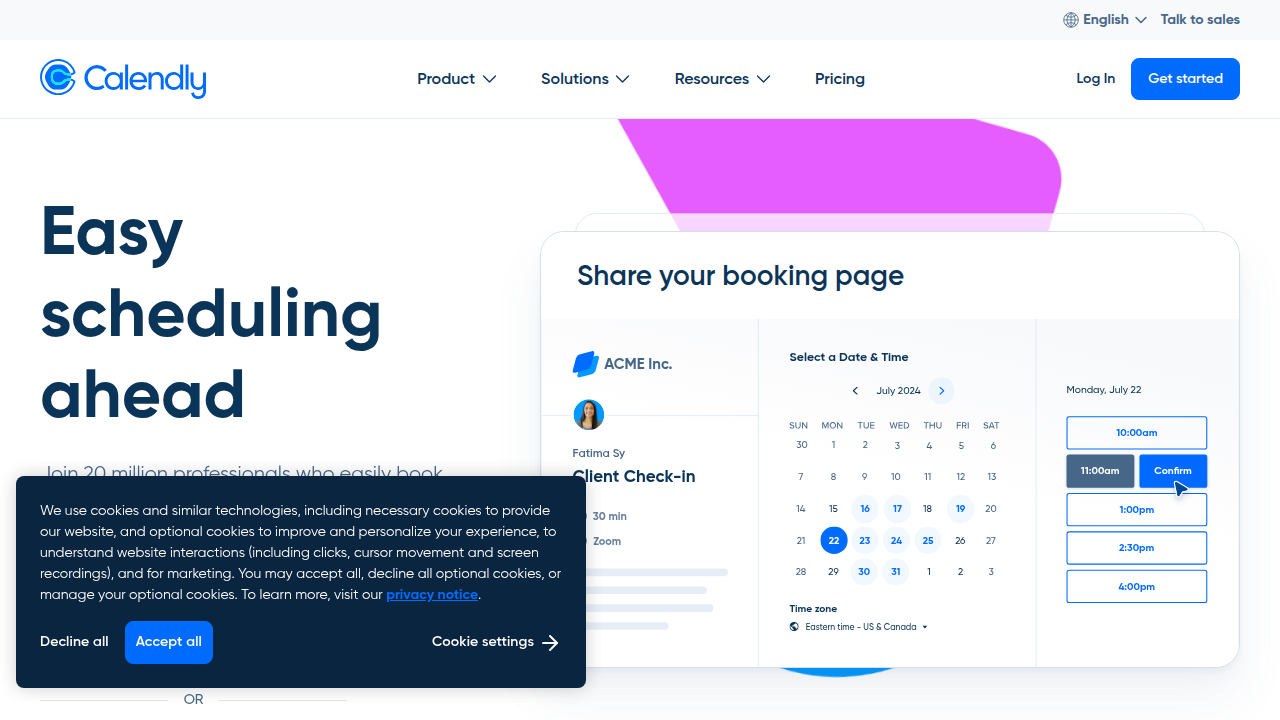
3. They take away the headache of managing appointments.
Getting Paid (Payment Processors)
When someone is ready to buy, you need an easy way to collect money. Services like Stripe, PayPal, and Square let you create simple payment links or invoices. They usually only charge a small fee each time someone pays you, so there’s no upfront cost to you. This is a smart way how start a business with no money.
Your Client-Ready Presence Checklist
To go from an idea to being ready for clients, follow these simple steps using the free tools:
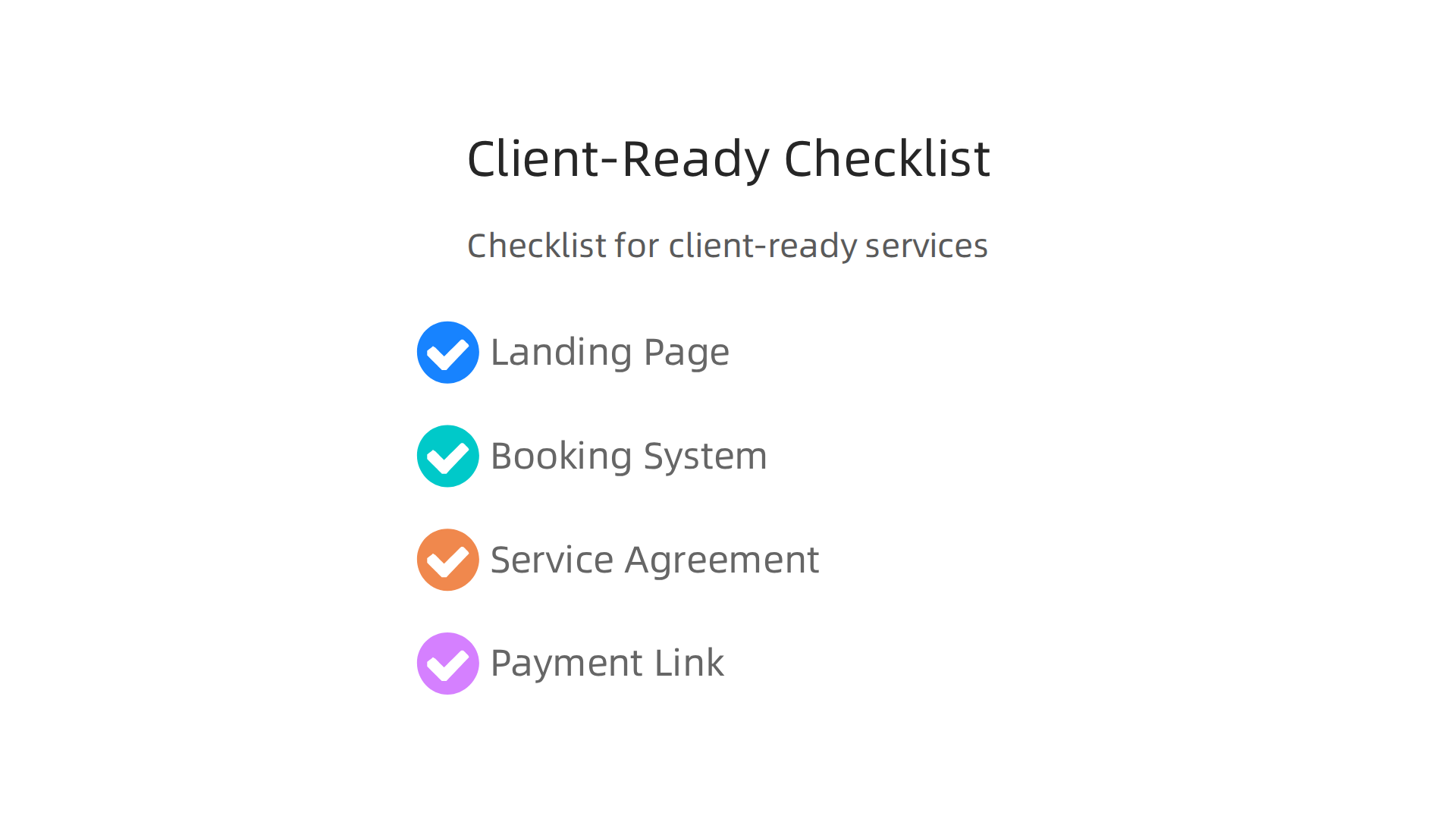
- Build Your Landing Page: Create a simple online page that explains your offer, its price, and how it helps customers.
- Set Up Your Booking System: Link a free scheduling tool to your landing page so people can easily book calls with you.
- Prepare a Basic Agreement: For services, have a simple contract or terms of service ready. You can find free templates online to get you started.
- Create a Payment Link: Set up a way to accept payments, like a direct link from Stripe or PayPal, so you can easily get paid.
By taking these practical steps, you’re not just dreaming about start up a business plan; you’re actually building one. You can be ready to serve your first paying clients much faster than you think, all while keeping your costs low. Once you have these tools in place and are getting clients, you might want to explore more ways to increase your earnings, perhaps by learning how to find high-ticket remote sales jobs in 2026.
Okay, you’ve got your basic business tools ready. Now comes the exciting part: getting paid! Many people wonder how do you start a business without money, and the answer often involves smart ways to handle payments from the very start. Getting money upfront or in stages can really help your cash flow when you have a small business idea.
Getting Paid Smartly: Deposits and Milestones
When you’re just starting, getting paid is key. Instead of doing all the work and hoping to get paid later, try to ask for some money ahead of time.

This is called a deposit or an upfront payment. It helps you cover any small costs you might have and shows that your client is serious.
For bigger projects, you can break the payment into parts, called milestone payments. For example, you get some money at the start, some when you finish half the work, and the rest when it’s all done. This helps you get cash as you go and makes it easier for clients to afford your service.
Using tools like Stripe, PayPal, or Square, which we talked about before, makes getting these payments easy. You can send a simple invoice or a payment link. These services usually only charge a small fee when you get paid, so they don’t cost you anything until you make a sale. This is a smart way to figure out how start a business with no money.
Talking About Money: Payment Plans and Negotiation
Sometimes, a client might love your service but worry about the cost. This is where payment plans come in handy. You can offer to split the total cost into smaller, easier payments over a few weeks or months. For example, if your service costs $1,000, you could let them pay $250 each month for four months. This makes your service more affordable for them and helps you get regular income.
When you talk to clients about money, be clear and confident. Explain the value you offer and how these payment options make it simple for them. This approach reduces the risk for you because you’re getting payments often, and it makes your offers more appealing to clients. If you’re selling higher-priced services, this kind of thinking is extra important.
Keeping Your Business Safe: Contracts and Bookkeeping
Even when starting small, it’s super important to protect yourself and your business. The best way to do this is with a simple contract. A contract is just a written agreement that explains what you will do, what the client will pay, and when. It protects both you and the client by making everything clear. You don’t need a fancy lawyer for this yet. In 2026, you can find many free contract templates online for different types of services. For example, official documents often include deposit account agreements that lay out terms for businesses 1. You can adapt these simple templates to fit your specific needs.
Beyond contracts, think about:
- Basic Business Registration: Depending on where you live and what you do, you might need to register your business name or get a simple license. This is often low-cost and makes your business official.
- Bookkeeping Basics: Keep track of every dollar that comes in and goes out. You can use a simple spreadsheet or a free app. This helps you know how much money your business is making and makes taxes easier later on.
By taking these steps, you’re not just creating a start up a business plan, you’re building a solid foundation. You’re learning how can you start a business without money by being smart about finances and legal protections. As your business grows, you’ll feel more confident knowing you’ve set yourself up for success.
If you’re eager to learn more about earning a good income, especially in high-value sales roles, explore how to find high-ticket remote sales jobs in 2026.
- Sell What You Already Know: Turning Sales Skills Into High-Paying Offers
You know, one of the best ways to figure out how do you start a business without money is to use the skills you already have. Many people have a knack for selling, even if they don’t call themselves "salespeople." If you’re good at talking to people, understanding their problems, and showing them how you can help, you already have a powerful skill.

You can turn this into a business by offering "high-ticket" services.
What are high-ticket services? These are services that solve big problems for clients and, because of that, they come with a higher price tag, often $5,000 or more 1. Instead of needing many small clients, you need just a few good ones to make a great income. This is a smart approach for how start a business with no money because you’re selling your expertise, not expensive products. Buyers in 2026 expect personal help and clear results from these kinds of services 2.
Think about your past jobs or experiences. Have you ever helped someone:
- Get more customers?
- Save time or money?
- Improve how their business runs?
- Learn a new skill?
You can package these experiences into offers. For example, if you helped a friend set up their online shop and it started making sales, you could offer a "Shop Setup and Sales Boost" service. The key is to focus on the outcome or result you provide, not just the task. People pay more for clear, valuable results.
When you’re ready to find clients, you’ll need a simple plan for talking to people. This includes:
- Outreach: Sending friendly messages to people who might need your help.
- Discovery Calls: These are short chats where you listen to their problems and see if your service is a good fit.
- Closing Calls: When you explain your offer and how it will solve their problem. In 2026, there are many proven ways to close these high-ticket deals, using special scripts and ways to answer questions 3.
To make your income more steady, think about moving from one-time projects to ongoing help. This could be a "retainer" where clients pay you a monthly fee for your continued service, or a "fractional role" where you work a set number of hours for a client each week. This creates a more predictable income stream, helping you build a solid start up a business plan.
Learning how can you start a business without money means being smart about your skills. If you’re interested in really diving deep into this, especially finding opportunities, check out our guide on how to find high-ticket remote sales jobs in 2026.
Building a business with little or no money is exciting, but it often brings up a big question: how do you get people to trust you when you’re just starting out? You might not have a long list of past clients or big company names in your portfolio yet. That’s okay! Even when you’re figuring out how to start a business without money, you can still build strong trust and show that you’re good at what you do.
Quick Ways to Show You’re Good
Even without a big portfolio, you can quickly build "social proof." This means showing others that people like your work.
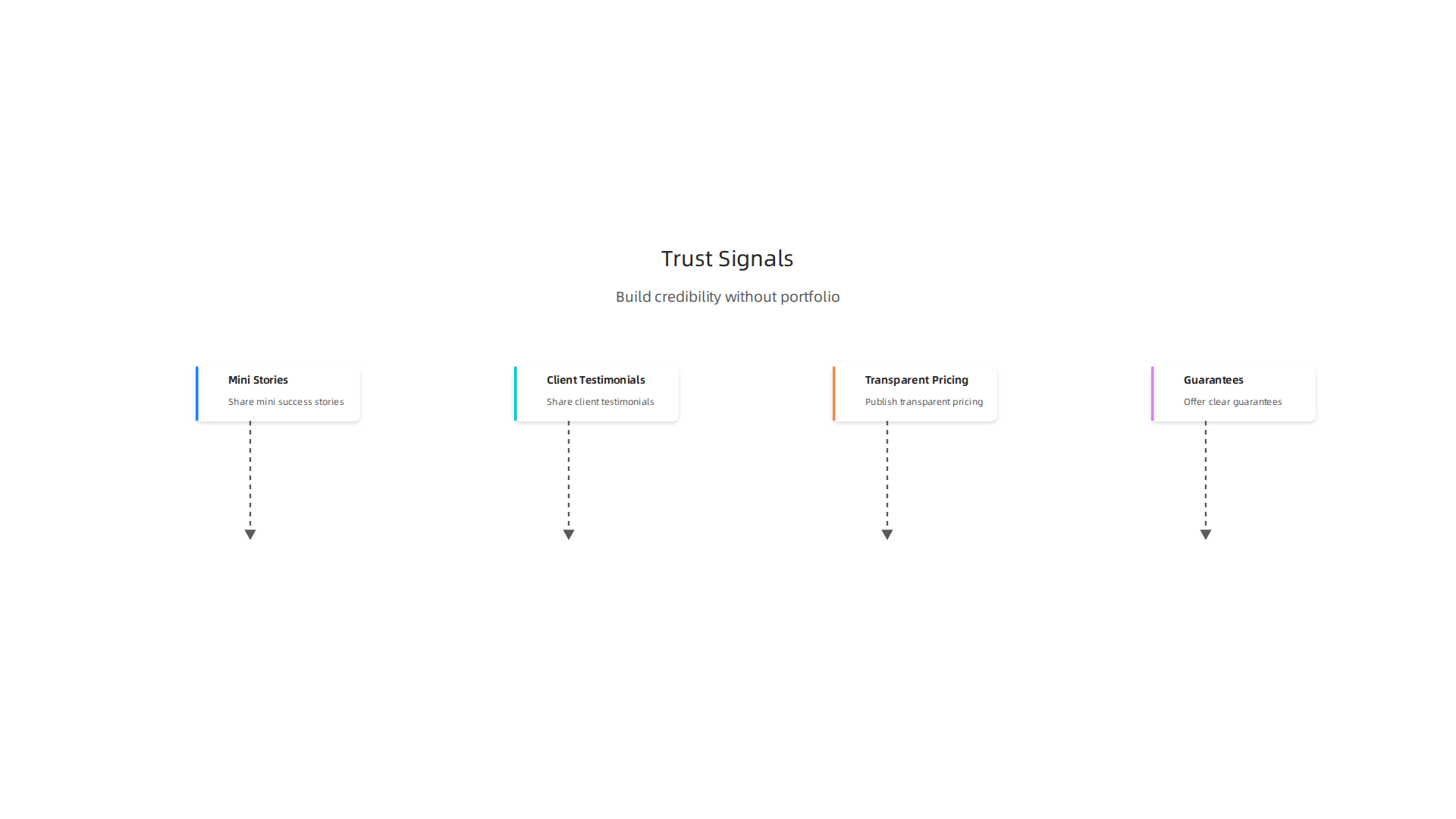
- Mini Success Stories (Micro-Case Studies): Think about small wins you’ve had, even if they were for friends or family. For example, if you helped a neighbor organize their garage, and they now save time looking for tools, that’s a micro-case study. You can write down: "Helped John Doe save 2 hours a week by organizing his garage." These show you can get results.
- Words of Thanks from Early Clients (Testimonials): When you work for your first few pilot clients, ask them for a short statement about their experience. Even if you worked for a lower price or for free to start, their words of praise are gold. Happy clients are a strong signal of trust, and in 2026, buyers really look for these kinds of personalized reviews when making choices 1.
- Show Off Your Small Wins (Public Results Framing): Don’t be shy about sharing any positive outcomes you create. Did you help someone save a little money? Did you make a process a bit faster? Frame these small wins as real results.
Other Ways to Build Trust When You’re New
Besides showing past results, there are other smart ways to build trust when you’re just getting started with your small business ideas.
- Promise a Good Outcome (Guarantees): You could offer a guarantee, like "If you don’t see X result in Y days, you don’t pay." This shows you believe in your service and makes clients feel safer.
- Be Clear About Costs (Transparent Pricing): People like to know what they’re getting into. Being open about your prices helps build trust 2. It makes clients feel like you’re not hiding anything.
- Offer a Small Taste (Short Trial Engagements): Maybe you can offer a short, low-cost "test run" of your service. This lets clients see your work before committing to a bigger project.
- Share What You Know (Content Demonstrations): Create simple blog posts, videos, or social media updates where you share helpful tips related to your service. This shows you’re an expert, even if you don’t have many clients yet. This kind of content marketing is very powerful for showing your skills and building credibility in 2026 3.
How to Get Your First Happy "Clients"
To get those first success stories and testimonials, you might need to be creative.
- Work for Free for a Few People (Pro Bono Pilot Clients): Offer your service to a few people or small businesses for free or at a very low cost. In return, ask for their honest feedback and a testimonial you can use. Make sure they understand you’ll use their results as a case study.
- Use Your Own Projects (Internal Projects): If you’ve used your skills to improve something for yourself or a personal project, that counts. For example, if you organized your own finances and saved money, that’s a result!
- Show What You Would Do (Simulated Case Studies): Pick a fake business or a problem you know well. Then, create a detailed plan of how you would solve that problem using your skills. This shows your thought process and abilities.
By using these steps, you can start to build a strong reputation and show your value, helping you truly start up a business plan even when you’re figuring out how do you start a business without money. To learn more about specific types of work that don’t need upfront cash, check out our guide on how to start a remote sales side hustle in 2026.
7) Grow Without Traditional Funding: Reinvest, Partnerships, and Alternative Financing
Once you start making a little money, the big question becomes: how do you keep growing without needing a bank loan? The good news is, there are smart ways to expand your business even when you’re figuring out how do you start a business without money.
Grow by Using What You Earn
This is called "bootstrapping." It means using your own business’s money to help it get bigger.
- Reinvest Your Money: When clients pay you, don’t spend it all right away. Take some of that money and put it back into your business. Maybe you buy a helpful tool, or you pay for a small ad. This helps your business grow step by step.
- Ask for Referrals: Happy clients are your best salespeople. Ask them to tell their friends about you. You can even offer a small thank you, like a discount on their next service, if someone they send becomes a new client. This is a very cheap way to get new customers.
- Smart, Low-Cost Ads: If you have some money coming in, you might try very small ads online. But only do this if you know that for every dollar you spend, you get more than a dollar back in new business. Keep a close eye on your numbers to make sure it’s working.
Work With Others to Get Bigger
You don’t have to do everything alone. Partnering with other businesses can help you reach more people without spending your own cash.
- Make Friends with Other Businesses: Find other businesses that serve the same kind of people you do, but offer different things. For example, if you clean homes, maybe you can partner with someone who organizes homes. You send clients to each other.
- Share the Money (Revenue Share): Sometimes, you can work on a project with someone and agree to split the money you earn from it. This means you don’t pay them upfront, which is great when you’re trying to figure out how start a business with no money.
- Affiliate Plans: This is where you might tell your clients about another company’s product, and if they buy it, you get a small part of the sale. Or, you can set up a similar system for your own services.
Other Ways to Get Money to Grow
Sometimes, you need a little extra push. Here are other ways to get funds without going to a big bank for a traditional loan, which can be tough when you’re just starting up a business plan.
- Money Back Based on Sales: This is called revenue-based financing. You get money now, and you pay it back as a part of your future sales. If you have a slow month, you pay less back. It’s a flexible way to get funding.
- Small Loans (Microloans): These are small amounts of money, often given by special groups that want to help small businesses. They are usually easier to get than big bank loans.
- Grants: These are like gifts of money you don’t have to pay back! Governments or groups sometimes give grants to businesses that do certain kinds of work or are in certain areas. Finding grants can be a great goal for your small business ideas.
As your business begins to make money, it’s a good idea to set up a separate business bank account. Banks like TD Bank, Bank of America, Wells Fargo, Truist Bank, and Chase all offer business accounts in 2026, each with specific agreements and fee schedules 1 2 3 4 5. This helps keep your business and personal money separate. To learn more about getting clients and bringing in sales that you can then reinvest, consider reading our guide on how to find high-ticket remote sales jobs in 2026.
Summary
This guide explains how to start a business with little or no cash by focusing on skills, smart validation, and low-cost tools rather than upfront capital. It walks you through picking business models that work without inventory—like service businesses, agencies, affiliate/reselling approaches—then shows how to validate demand quickly using pre-sales and minimum viable offers. The article covers practical setup steps: simple landing pages, free CRMs and scheduling tools, payment processors, basic contracts, and bookkeeping. It also explains payment strategies (deposits, milestones, payment plans), ways to convert sales experience into high-ticket services, and fast trust-building techniques like micro-case studies and free pilot clients. Finally, it outlines how to grow sustainably through bootstrapping, partnerships, revenue-sharing, microloans, and grants so you can scale without traditional bank financing.