

Imagine making a great living right from your home, selling valuable products or services and earning big commissions.

This exciting path is often called tradeline sales, and it’s a hot opportunity in 2026, especially if you want to work remotely. It means you sell things that cost a good bit of money, which then leads to larger payments for you when you close a deal. Think of it as a specialized kind of high-ticket sales where every sale can bring a significant income boost for a skilled sales executive or sales representative (Companies on the Rise).
For many, the idea of getting into these high-paying sales jobs is appealing. After all, working from home gives you a lot of freedom (Coursera).

But, it’s easy to feel lost about where to even begin. Maybe you’re not sure what skills you need, or how to tell a real opportunity from a risky one. You might worry about finding enough clients or making sure you’re working with trustworthy companies. These are common concerns for anyone looking into tradeline sales.
This guide is here to help you through all that. We’ll show you the real steps to get started in tradeline sales, from learning key skills to finding good jobs (Floowitalent). We’ll also talk about how much money you can expect to make and important ways to protect yourself from common problems. By the end, you’ll have a clear path to becoming a successful remote sales professional in 2026. If you’re looking for honest advice on how to find these lucrative opportunities, check out our guide on how to find high-ticket remote sales jobs in 2026.
How Tradeline Sales Work: The Product, the Supply Chain, and Where Revenue Comes From
When we talk about tradeline sales, it’s helpful to understand exactly what product is being sold and how it all comes together.
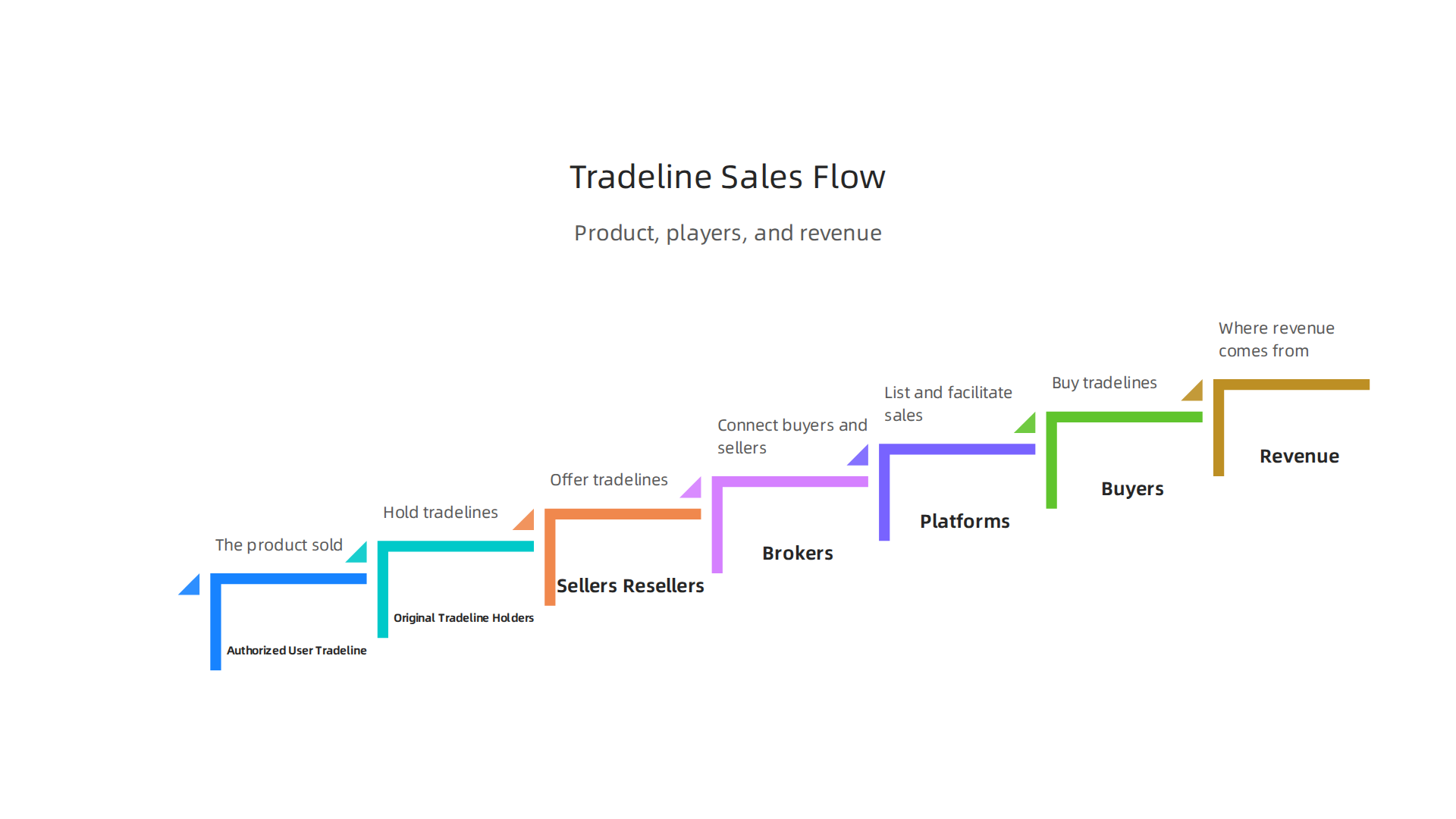
Simply put, the main product in tradeline sales is an "authorized-user tradeline." This means someone with really good credit allows another person to be an "authorized user" on one of their credit card accounts. The person being added usually does not get a physical card or use the account for spending. Instead, the goal is often for that healthy credit history to show up on the authorized user’s credit report, which some people believe can help improve their own credit picture.
There are two main ways these tradelines are offered:
- Direct Resale: This is where a company or individual directly sells access to authorized-user tradelines. They find people with good credit who are willing to add authorized users, and then they sell those "spots" to buyers.
- Brokering: A
sales executiveorsales representativemight act as a broker. This means they connect a buyer who wants a tradeline with a seller who has tradelines available. The broker makes money by putting these two parties together.
Who Are the Players in Tradeline Sales?
It’s like a chain of people and companies working together. Here are the main actors you might meet in the world of tradeline sales:
- Original Tradeline Holders (Primary Users): These are individuals with strong credit histories who have credit cards with long histories and low balances. They agree to add others as authorized users on their accounts.
- Buyers: These are the people looking to become authorized users to potentially help their credit standing.
- Sellers/Resellers: These companies or individuals manage the inventory of tradelines. They work with original tradeline holders and then sell these spots directly to buyers.
- Brokers: These are the people, often a
sales executiveorsales representative, who act as a bridge. They find buyers and match them with suitable tradelines offered by sellers. This is where manysales jobsin this field come in. - Platforms and Marketplaces: These are online websites or services where sellers list their available tradelines and brokers or buyers can find them. These platforms often make the process smoother, especially for remote
sales. The financial markets themselves involve complex structures, often with fees tied to transactions and trading volumes, a principle that can be seen in various sectors, including this one in 2026 (Cboe Global Markets Reports Trading Volume for March 2026).

How Do You Make Money in This Business?
For someone working in tradeline sales, the money you earn depends on your role.
- Direct Sale Fees: If you are a seller, you set a price for each tradeline. This fee covers the cost of finding the primary user and handling the process.
- Commission Splits: As a
sales executiveorsales representativeworking as a broker or for a selling company, you usually earn a commission. This means you get a percentage of the sale price for every tradeline you successfully help to sell. These commissions can be quite good, as the cost of tradelines can be high. In other markets, fees and commissions are common for agreements, showing how payments are structured across different industries (Producer Price Index News Release summary – 2026 M03 Results). - Platform Marketplace Fees: If a platform connects sellers and buyers, it might charge fees for listing tradelines or for each successful sale made through its service.
Understanding these parts of the business helps you see how money flows and how a skilled sales professional can earn a great income. If you’re interested in learning more about getting started in remote selling, we have a helpful guide on how to start a remote sales side hustle in 2026.
Legal and Compliance Checklist for Tradeline Sellers and Closers (Country-by-Country Considerations)
Working in tradeline sales can be a good way to earn money, but it’s super important to know and follow the rules. This helps everyone stay safe and keeps the business fair. For any sales executive or sales representative in this field, understanding the law is a must.

Key Legal Issues to Know
Even though the sale of authorized-user tradelines is not against federal law in the United States as of 2026, there are still important areas where you need to be careful and compliant [https://ezecreditservices.com/are-tradelines-legal/].
- Consumer Protection Laws: These rules are made to protect the people buying tradelines. They make sure that sellers are honest about what they’re offering and don’t mislead anyone. Every sales deal must be clear and fair to the buyer [https://iclg.com/practice-areas/consumer-protection-laws-and-regulations].
- Credit Reporting Rules: Tradelines affect a person’s credit report. Rules from big credit reporting companies like Experian ensure that all credit information is handled correctly and fairly [https://www.experian.com/blogs/news/].
This includes how authorized user accounts are added and removed.
- Required Disclosures: You must tell buyers everything they need to know upfront. This means being clear about what a tradeline is, what it can and cannot do for their credit, and all costs involved. No hiding important details.
How Rules Change by Country and What to Watch For
Different countries have their own ways of handling financial products and consumer protection. While the general idea of tradeline sales might exist, the specific rules can be very different.
- United States: As mentioned, authorized user tradelines are generally not against federal law. However, the Consumer Financial Protection Bureau (CFPB) watches over financial products to make sure they are fair [https://www.consumerfinance.gov/about-us/newsroom/consumer-financial-protection-bureau-and-the-department-of-justice-withdraw-joint-statement-on-fair-lending-and-credit-opportunities-for-noncitizen-borrowers/].
- UK, Canada, Australia, New Zealand: These countries, like the US, have ongoing updates in their financial rules [https://themodernregulator.com/april-2026-regulatory-update-first-evidence/]. If you are involved in tradeline sales in these places, you need to check their local laws carefully. What might be common practice in one country could be restricted or even illegal in another.
Red Flags for Non-Compliance:
Always be wary of these signs:
- Promising a "guaranteed" credit score increase. No one can truly guarantee specific credit score results.
- Pushing buyers into a sale without giving them enough time to understand.
- Asking for personal details that don’t seem related to the tradeline process.
- Lack of clear contracts or agreements.
Steps to Stay Compliant
To make sure your tradeline sales work is always above board, follow these simple steps:
- Use Clear Paperwork: Always have written contracts for every deal. These documents should clearly state what is being sold, the price, and the expectations for both the seller and the buyer.

This protects everyone involved.
2. Work with Trusted Partners: Make sure any people or companies you work with also follow all the rules. Partnering with ethical groups helps avoid fraud and keeps your business safe [https://www.grantthornton.com/insights/press-releases/2026/february/acfe-and-grant-thornton-release-new-guidance].
3. Be Transparent and Honest: As a sales professional, your reputation is everything. Always tell the full truth about how tradelines work and what their likely effects are. Do not make promises you cannot keep.
Understanding these rules is key to a successful and ethical career in tradeline sales. It’s smart to do things the right way from the start. If you’re looking to build your skills in sales, knowing how to navigate these situations will be very helpful. You can learn more about finding good opportunities in our guide on how to find high-ticket remote sales jobs in 2026.
Who Buys Tradelines – Buyer Personas, Use Cases, and Real Demand Drivers
After learning about the rules for tradeline sales, it’s helpful to know who actually buys these products. Understanding the people who need tradelines can really help a sales executive or sales representative succeed. Buyers aren’t all the same, and their reasons for wanting tradelines can vary a lot in 2026.
Common Buyer Types and Why They Seek Tradelines
Most people who buy tradelines are looking to make their financial picture better. Here are some main reasons:
- Credit Improvement: Many individuals want to improve their credit scores. Maybe they have a thin credit file, which means they don’t have much credit history, or perhaps they’ve had some credit issues in the past. They hope adding a seasoned tradeline will help show a longer, more positive credit history. Consumers in 2026 are always looking for ways to improve their financial standing, even if traditional methods are evolving [https://www.capgemini.com/wp-content/uploads/2026/01/Final-Web-Version-Report-Consumer-Trends-2026.pdf].
- Loan Qualification: A lot of people need tradelines to qualify for bigger loans. This could be for a car, a new house, or even to start a small business. Lenders often look for a strong credit history, and a good tradeline might help meet those requirements.
- Business Uses: Some small business owners might use tradelines to help their business get better funding or to simply look more creditworthy. Having strong personal credit can sometimes help when applying for business loans, especially for newer companies.
It’s important to remember that every buyer has unique goals. Some might need a quick boost for a specific loan application, while others are thinking about long-term credit health.
How Buyer Demand Affects Tradeline Sales
The kind of tradelines buyers want really changes how tradeline sales work. Just like in any other market, what customers are looking for shapes what sellers offer.
- Pricing: Tradelines with high credit limits and a long, positive payment history are usually in higher demand. This means they can cost more, sometimes $2,000 or even more for the best ones [https://blog.cucollector.com/the-shadowy-authorized-user-tradeline-market-revenue-legality-and-credit-risk-implications/]. If a tradeline has less to offer, it will likely cost less.
- Seller Risk: Understanding buyer needs helps sales professionals find the right tradelines. If you match a buyer with a tradeline that doesn’t fit their needs, it could lead to disappointment. A good sales representative knows the market and helps manage expectations, making sure the client understands what they are buying. This careful approach helps avoid problems and keeps tradeline sales fair for everyone.
For any sales professional in tradeline sales, staying updated on what buyers need and expect in 2026 is key. Knowing your customer helps you be a better salesperson and ensures you offer the right products at fair prices. If you’re keen on building your skills to meet buyer demands in different sales environments, you might find our guide on how to find high-ticket remote sales jobs in 2026 useful. It covers what it takes to succeed in today’s sales landscape.
When it comes to tradeline sales, knowing how you get paid is just as important as knowing who buys them. Sales professionals, whether you’re a new sales representative or a seasoned sales executive, need to understand the different pricing and commission models in this market.
How Tradeline Sales Professionals Get Paid
Getting paid in tradeline sales usually involves a mix of pricing structures and commission models. It’s not always a single way, and knowing the differences helps you figure out your real earning potential.
1. Common Pricing Structures for Tradelines:
First, let’s look at how tradelines themselves are priced. This directly affects how much commission you might earn.
- Quality Matters: Tradelines with higher credit limits and a long history of on-time payments usually cost more. They can range from a few hundred dollars to $2,000 or even more for the best ones in 2026, according to some market insights [https://blog.cucollector.com/the-shadowy-authorized-user-tradeline-market-revenue-legality-and-credit-risk-implications/].

- Market Demand: Just like any product, the more people want a certain type of tradeline, the higher its price.
2. Commission Models for Sales:
As a sales professional, your income in tradeline sales will likely come from commissions. Here are some common ways sales representatives and sales executives are paid:
- Flat Fees: You get a set amount for each tradeline you sell. For example, you might earn $250 for every tradeline, no matter its price. This is a simple way to track your income.
- Percentage Splits: You earn a percentage of the tradeline’s sale price. If a tradeline sells for $1,000 and your commission is 15%, you’d earn $150. This means higher-priced tradelines can bring in more money.
- Tiered Commissions: Some companies offer different percentage rates based on how many tradelines you sell or how much total sales volume you reach. For instance, you might get 10% for your first five sales and then 15% for every sale after that in a month.
It’s common for many sales roles to use commission models, especially for unique market segments. You can learn more about how commission structures work in general sales environments by watching guides like "What Commission Should Your Marketplace Charge? (2026 Guide)" [https://www.youtube.com/watch?v=b6VQq6QSIys].
Evaluating Income Claims: What’s Realistic?
When you look at different tradeline sales jobs, you’ll see income claims. It’s super important to know how to check if these claims are real and reasonable.
- Look for Transparency: A good sales opportunity will clearly explain their commission structure. They should tell you if it’s a flat fee, a percentage, or a mix.
- Do the Math: If they say you can earn "$5,000 a month," ask how many tradelines you need to sell and what the average commission per sale is. For example, if you earn $250 per sale, you would need to sell 20 tradelines to reach $5,000. Is selling 20 tradelines in a month a realistic goal for you?
- Reasonable Ranges: Earning potential can vary a lot, but for a sales representative in tradeline sales, a realistic range might be anywhere from a few hundred dollars to several thousand dollars per month, depending on your effort and the company’s offerings. Premium tradelines can fetch higher commissions.
- Consider Fees: Sometimes there are platform fees or other costs that might reduce your take-home pay, just like transaction fees in other markets can affect final payouts [https://www.prnewswire.com/news-releases/cboe-global-markets-reports-trading-volume-for-march-2026-302735002.html]. Always ask about any extra fees.
Your Checklist for Assessing a Compensation Offer
Before you say yes to a tradeline sales job, use this checklist to understand your potential earnings:
- Flat Fee or Percentage? Know exactly how each sale translates into your pay.
- One-Time or Recurring? Most tradeline sales are a one-time payment for a single transaction. Understand if there are any opportunities for recurring income (which is less common in this specific market).
- Are There Platform Fees? If you’re selling through an online platform, ask if they take a cut or charge a membership fee [https://www.rigbyjs.com/blog/b2b-marketplace-features].
- What’s the Average Sale Value? This helps you guess your percentage earnings more accurately.
- Training and Support: Does the company offer training to help you succeed? Good support can help you make more sales.
Understanding these details will help you make smart choices in your tradeline sales career. If you’re looking to develop your skills to land a high-paying position in sales, consider exploring how to find high-ticket remote sales jobs in 2026.
Now that you know how money works in tradeline sales, let’s talk about how you can actually get started. Breaking into tradeline sales, especially in remote roles, needs a clear plan. Here’s a step-by-step guide for sales professionals looking to join this market in 2026.
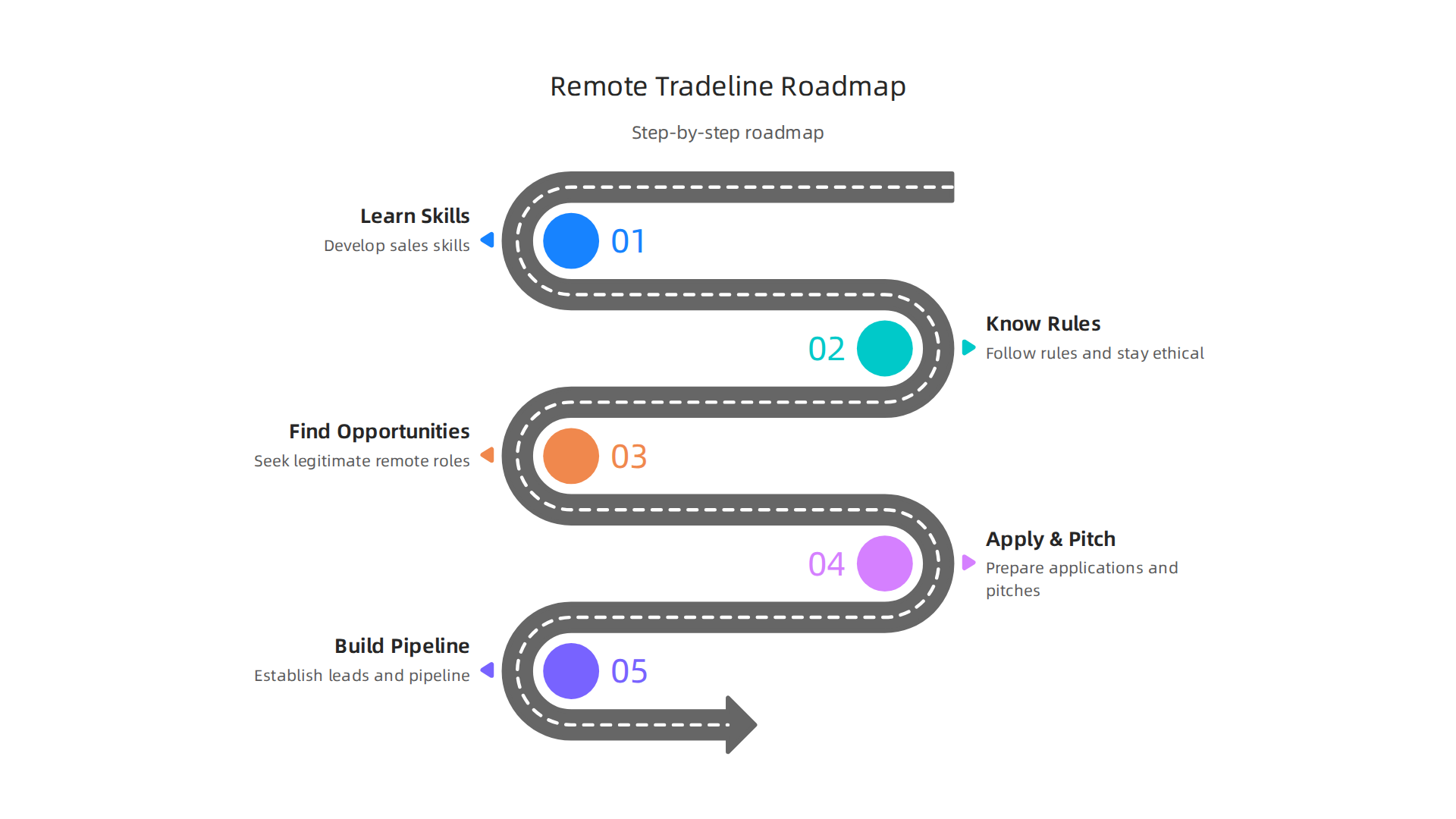
Step-by-step process to break into tradeline sales (remote-friendly career roadmap)
Getting started in tradeline sales means learning new things and knowing where to look for chances. It’s a field where you can often work from anywhere.
1. Learn the Right Skills
To do well in tradeline sales, you’ll need good sales skills.
- Understand Tradelines: First, really learn what tradelines are and how they help people improve their credit. This knowledge helps you talk confidently to buyers.
- Sales Skills: Work on your communication, listening, and persuasion skills. These are key for any sales job.
- Remote Closing Techniques: Many tradeline sales roles are remote. Learning how to "close" deals over the phone or online is very important. Think about exploring guides on how to become a high-ticket sales closer for tips on remote selling. You can also watch videos that share an ultimate guide to break into high ticket sales in 2026.
2. Understand Rules and Be Ethical
Selling tradelines means you must be open and honest.
- Transparency: Always be clear with clients about what a tradeline can and cannot do for their credit. Misleading people can cause big problems.
- Compliance: While specific rules for tradelines can be tricky, knowing general rules about financial sales is smart. Regulatory bodies like the FTC (Federal Trade Commission) always focus on fair practices and clear disclosures, especially in 2026, to protect consumers from misleading claims.
3. Find Legitimate Opportunities
It’s important to find good places to work in tradeline sales.
- Look for Partners: Many tradeline sales professionals work with companies that offer tradelines. You’ll act as a sales representative for them.
- Online Job Boards: Check remote-focused job sites for "remote sales jobs" or "high-ticket closer jobs." Websites like We Work Remotely or Remote.co can list relevant sales jobs. Many guides can help you find high ticket closer jobs remotely.
- Networking: Connect with other sales executives and professionals in online groups or forums related to credit and finance.
4. Apply and Pitch Yourself
Once you find a role, you need to show you’re the right person for it.
- Build a Resume: Highlight any past sales experience or times you’ve helped people. Even customer service roles show good communication skills.
- Practice Your Pitch: Be ready to talk about why you’re good at sales and how you can help bring in new tradeline sales. There are good resources, like a 2026 Sales Interview Guide, that can help you prepare.
5. Build Your Sales Pipeline
After you get a role, your goal is to start making sales.
- Follow Up: Stay in touch with potential clients. Persistence is key in sales.
- Use Tools: Many remote sales roles use special software to keep track of clients and sales. Learn to use these tools if your company offers them.
If you’re looking to build your skills and land a great position, learning how to find high-ticket remote sales jobs in 2026 can be a really helpful next step. It’s a path many sales representatives choose for bigger earning potential.
You’ve learned the basics of getting into tradeline sales. Now, let’s talk about how you actually talk to people to make sales. Having good sales scripts, knowing how to answer tough questions, and closing deals are super important. This is especially true in the world of tradeline sales, where being clear and honest is key for both you and your buyers.
Proven Sales Scripts, Objection Handling, and Closing Techniques Tailored to Tradelines
Making a sale isn’t just about finding someone to talk to; it’s about what you say and how you say it. For tradeline sales, this means being very clear, building trust, and showing how you can help.
Core Talking Points and Clear Disclosures
When you’re selling tradelines, your words matter a lot. You want to make sure clients understand exactly what they’re getting.
- Be Honest and Direct: Start by clearly explaining what a tradeline is and how it helps someone’s credit. Tell them what it can and cannot do. For instance, explain that while a tradeline can help improve credit scores, it’s not a magic fix for all financial problems. This kind of open talk helps build trust.
- Protect Everyone with Clear Language: Always use simple, clear language for disclosures. This means stating any risks or limits upfront. Companies in 2026 are focusing on robust and transparent disclosures to keep customer trust high, especially in financial dealings. The Federal Trade Commission (FTC) also emphasizes clear disclosures to protect consumers from misleading claims, so staying honest protects your business too.
- Focus on Benefits, Not Guarantees: Talk about how a tradeline might help improve credit, based on past results, instead of promising exact outcomes. Explain that everyone’s credit situation is different.
Handling Common Objections
Potential clients will have questions and worries. Being ready for them shows you know your stuff and care about their concerns. Here are some common objections and how to address them:
- "Is this safe or legal?" Explain that tradelines operate within established financial rules. You can mention that you work with reputable partners who follow these rules. Emphasize that your process is transparent and designed to be compliant with financial practices.
- "Is this really effective?" Share examples of how tradelines have helped others, without giving specific guarantees for their situation. Explain that when used correctly, they can be a powerful tool for credit building.
- "It seems expensive." Talk about the long-term value. Explain that improving credit can save them money in the future through better interest rates on loans or cards. Sometimes, the cost of a tradeline is much less than the money saved over time.
- "I’m worried about compliance." Reassure them that you adhere to industry best practices and legal guidelines. In 2026, financial services, including broker-dealers, have a strong focus on retail sales compliance and financial responsibility, which means clear rules are in place to ensure fair practices for buyers.
Ethical Remote Closing for Tradelines
Many tradeline sales roles are remote, so you’ll often close deals over the phone or online.

This means adapting high-ticket sales skills to be very clear and honest.
- Use Tested Sales Scripts: Good sales scripts can guide your conversations, making sure you cover all the important points and disclosures. Teams with solid scripts often see better success rates in their calls. If you’re looking to practice these skills, you might even consider starting a remote sales side hustle to gain experience.
- Transparency is Key: Since you’re not face-to-face, it’s even more important to be extra clear. Make sure clients fully understand the terms and outcomes before they agree. This includes giving them time to ask questions and making sure they feel comfortable.
- Active Listening: Pay close attention to their concerns. This helps you address their specific worries and tailor your responses, building trust and making them feel heard.
By mastering these sales and communication techniques, you can build a successful career in tradeline sales, helping clients improve their financial standing while maintaining ethical practices.
Risks, Scams, Red Flags, and How to Vet Legit Tradeline Opportunities
Getting into tradeline sales can be a great path, but just like any growing industry, you need to be smart and careful. There are real and helpful tradeline opportunities out there, but also some scams. Knowing how to tell the difference is super important for anyone looking to be a sales executive or sales representative in this field.
How to Spot Red Flags
When you’re looking for tradeline sales opportunities or even thinking about buying a tradeline, watch out for these warning signs:
- Guaranteed Results: If someone promises you a specific, huge credit score jump or guarantees a loan approval, that’s a big red flag. Reputable tradeline providers know that results vary for everyone. Remember, a tradeline is a tool, not a magic fix.
- Hidden Fees or Vague Pricing: Be careful if the prices aren’t clear or if new fees keep popping up. Honest companies will tell you all costs upfront.
- Unverifiable Listings: Can you check out the tradeline account they’re selling? If they can’t give you basic information or proof, it might not be real.
- Pushy Sales Tactics: High-pressure
salesthat don’t give you time to think or ask questions are a sign to walk away. Legit businesses want you to feel good about your decision. - Avoidance of Disclosures: As of 2026, clear disclosures are a cornerstone of consumer protection in financial services. If a provider avoids telling you the full story about risks or limitations, that’s concerning.
Steps to Find Good Tradeline Opportunities
To make sure you find safe and effective tradeline sales positions or products, here’s what to do:
- Ask for Proof: A trustworthy company or seller should be able to provide details about the tradeline, like its age and credit limit, before you commit.
- Check Their Reputation: Look for reviews, testimonials, and how long they’ve been in business. A company with a good track record is key. You might find it helpful to look into guides on how to find good remote sales jobs in general to apply these vetting skills broadly for your career, not just for tradelines.
- Understand Legality: Tradelines are legal when used correctly. As of 2026, there is no federal law that stops the buying or selling of authorized user tradeline spots, according to some experts in the field [1]. Make sure the company you work with follows all rules and regulations. This helps protect both you and your future clients.
- Look for Escrow Services: Some reputable platforms use an escrow service, which holds your money safely until the tradeline appears on your credit report. This adds a layer of protection.
- Review Their Agreements: Read all contracts carefully. A transparent company will have clear terms of service that protect both parties. In 2026, financial bodies are focusing on strengthening anti-fraud measures, making it even more vital for businesses to be transparent [2].
What to Do if Something Feels Wrong
If you find yourself in a tricky situation, or if you suspect fraud in tradeline sales:
- Gather Information: Keep all emails, messages, and transaction records.
- Contact Consumer Protection Agencies: Agencies like the Consumer Financial Protection Bureau (CFPB) or local consumer protection offices can help with financial complaints [3]. Many countries also have updated consumer protection laws in 2026 to help protect you [4].
- Report Fraud: You can report suspected fraud to relevant authorities.
- Walk Away: If a deal feels too good to be true, or if you have serious doubts after doing your research, it’s always okay to walk away. Trust your gut.
By being smart and doing your homework, you can confidently navigate the world of tradeline sales and find great, ethical sales jobs.
Summary
This article explains tradeline sales as a remote, high-ticket sales opportunity where authorized-user tradelines (adding someone as an authorized user on a seasoned credit account) are bought and sold or brokered. It walks through the product, the market players, how revenue flows, and the typical pricing and commission models sales professionals can expect. The guide highlights who buys tradelines and why, provides realistic earning scenarios, and gives a clear step-by-step roadmap to start a remote tradeline sales career. It also covers the legal and compliance risks by country, required disclosures, and ethical selling practices so you can operate safely. Practical sections show how to vet companies, spot scams, and use escrow or contracts to protect clients. Finally, you’ll get sales scripts, objection-handling tactics, and closing techniques tailored for remote tradeline deals so you can sell transparently and effectively.