
Why Clearance Jobs Matter for Ambitious Sales Professionals
Are you a sales professional always looking for the next big opportunity, a path that offers more stability, better pay, or even a chance to work from unique remote locations?

You might be surprised to learn that clearance jobs could be exactly what you need. These are special roles that require a security clearance, which is a status given to people who can safely access classified information or special work areas. Think of it as a stamp of trust from the government or a related organization, letting you handle sensitive projects safely [^security_clearance_wikipedia].
These types of roles are known for a few great things. First, they often bring a lot of job stability. When you work on government contracts or for agencies, the work tends to be ongoing and reliable. Second, the pay can be really good, usually higher than many similar jobs in the private sector. And third, some clearance jobs offer unique ways to work remotely, letting you serve important projects from different places. We’re talking about jobs far beyond your typical search on Dice jobs or even Meta jobs. You might find them on special boards, or even through direct contractors.
However, many sales pros feel a bit lost when thinking about clearance jobs. It’s normal to wonder if your excellent sales skills can even translate into these roles. You might also be unsure about what a "security clearance" actually means, or how to get one. For example, there are different levels like "Secret" or "Top Secret" clearance, and each allows access to different types of important information [^cyberdegrees]. The process to get cleared can involve a detailed background check [^usfcr]. It’s not always clear how to even start looking for these specialized roles on common platforms like Indeed jobs, and definitely not like searching for standard jobs for 15 year olds.
This guide is here to clear up that confusion. We will walk you through everything you need to know, from understanding the different types of security clearances to finding legitimate, well-paid clearance jobs where your sales talents can shine. We’ll show you how your ability to connect with people and solve problems is a perfect fit for these unique and rewarding career paths. If you’re keen on finding high-ticket remote sales jobs, getting a security clearance could open up even more possibilities.
What ‘clearance jobs’ actually mean: scope and common employers
Let’s clear things up about what we mean by "clearance jobs." Simply put, these are jobs where you need a special permission, called a security clearance, to do your work. This permission shows that you are trusted to handle sensitive information or to work in certain secure places [^security_clearance_wikipedia]. It’s not just for secret agents in movies. Many regular jobs, even sales roles, can need one.
There are different levels of security clearances. The most common ones are Confidential, Secret, and Top Secret. Each level lets you access information that has a certain level of importance [^cyberdegrees]. For example, a Top Secret clearance lets you deal with information that could cause "exceptionally grave damage" if it fell into the wrong hands [^list_of_us_security_clearance_terms]. Getting one of these clearances means you’ve passed a deep background check, looking into things like your history and finances [^usfcr].
Who Hires for Clearance Jobs?
You’ll find clearance jobs mainly in a few key areas:
- Government Agencies: These are direct government roles, often in defense, intelligence, or other federal departments. Think about jobs that support national security or vital government services.
- Federal Contractors: This is a big one for sales professionals. Many private companies work with the government on special projects. These companies need employees who already have a security clearance, or who can get one, to work on those contracts. These can be tech companies, engineering firms, or even consulting groups.
The hiring process for clearance jobs is often different from searching on popular sites like Indeed jobs or even more niche platforms like Dice jobs. Government agencies have their own hiring systems, and contractors will often specify if a clearance is required for a role. You won’t typically find these kinds of opportunities mixed in with everyday remote jobs, or jobs for 15 year olds.
How Your Sales Skills Fit In
Now, you might be wondering, "Where do my sales skills fit into all this?" Actually, they’re really important! Many roles within federal contracting especially benefit from strong sales talent.
Here are some ways your sales experience can shine in clearance jobs:
- Business Development Representative (BDR) or Account Executive (AE) for Contractors: These are sales roles within private companies that sell products or services to government agencies. You’d be finding new business or managing relationships with current government clients. Your ability to build trust and understand complex needs is key.
- Vendor Management: Sometimes, you’ll manage relationships with different companies that provide goods or services to a larger federal project or agency. This involves a lot of negotiation and relationship building, just like sales.
- Technical Sales: If you sell specialized technology or solutions that are used by the government, you’ll need to explain complex products clearly and persuade decision-makers. Having a clearance helps you understand the sensitive needs of these clients.
These roles often offer the chance for high-ticket sales because government contracts are usually large and long-term. Plus, many of these positions can be found as remote security clearance jobs in 2026, offering great flexibility.
If you’re looking to explore more about how your sales talents can open doors to exciting career opportunities, especially in remote settings, you can learn more about how to find high-ticket remote sales jobs in 2026.
Levels of Security Clearance and the Roles Tied to Each Level
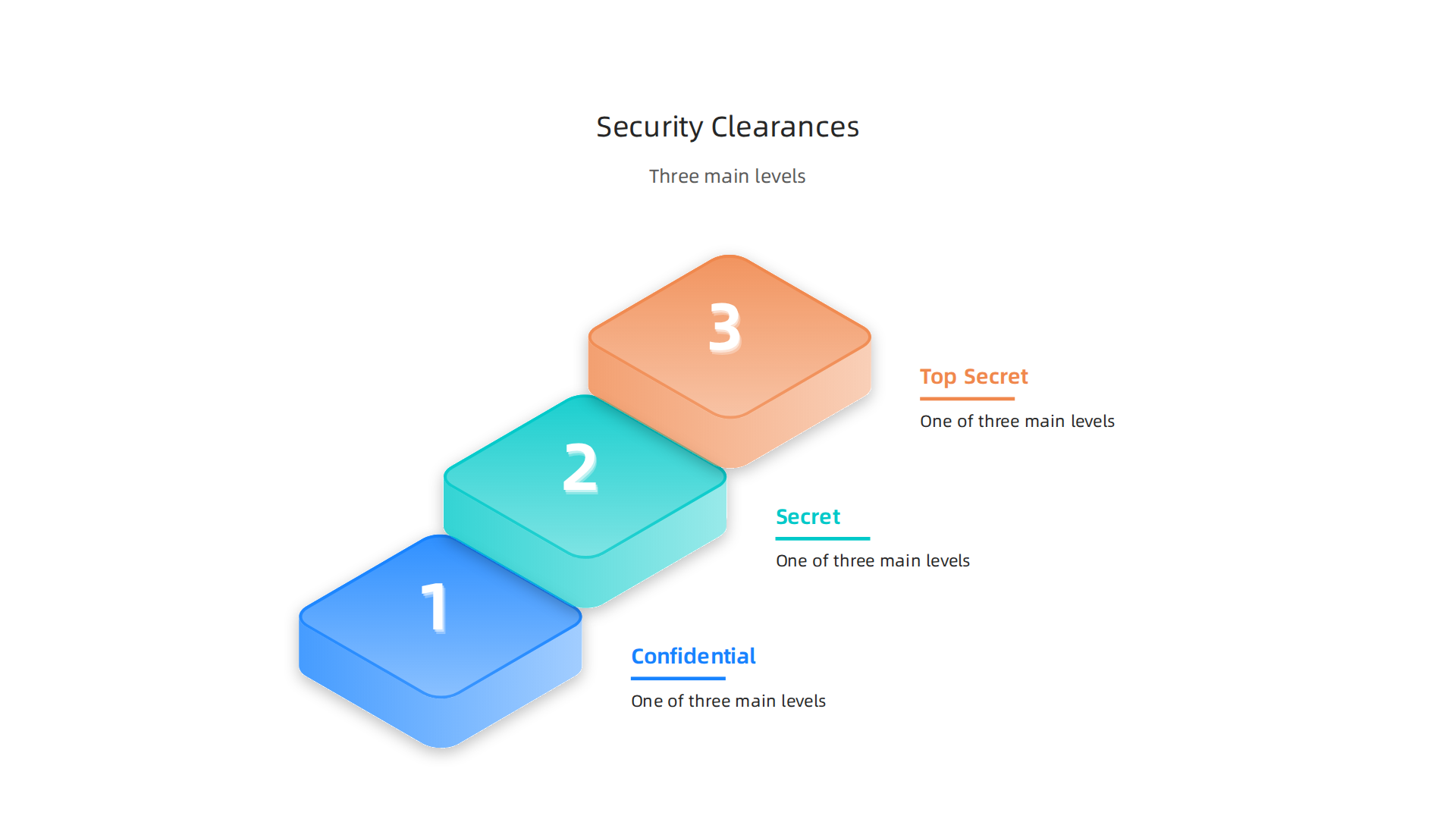
Now that we know what clearance jobs are, let’s look at the different levels of security clearance. Think of it like a ladder, with each step giving you access to more important and sensitive information. These levels help make sure that only trusted people see certain government secrets [^understanding_security_clearance_levels_strikestrat].
There are three main levels in the U.S. government system: Confidential, Secret, and Top Secret.
Confidential Clearance
This is the most basic level of security clearance. It lets you see information that, if shared with the wrong people, could cause some harm to national security [^security_clearance_levels_explained]. Jobs needing this clearance might be entry-level roles or those dealing with general government operations. For sales, you might not directly hold a Confidential clearance, but you could work for a company that does general business with the government, and your role might involve less sensitive information that requires a basic trust level.
Secret Clearance
Moving up the ladder, a Secret clearance is for information that could cause serious damage to national security if it got out [^cyberdegrees]. This level often requires a more thorough background check than Confidential. Many clearance jobs for sales professionals fall into this category. If you’re a business development representative or an account executive selling standard technology or services to federal agencies, a Secret clearance is often needed. You’d be working with government contracts and plans that are important but not "top secret" level.
Top Secret Clearance
This is the highest level of security clearance for classified national security information [^understanding_security_clearance_levels_gem_technology]. It’s for information that could cause "exceptionally grave damage" if it were disclosed without permission [^list_of_us_security_clearance_terms]. Getting a Top Secret clearance involves a very deep look into your background, including your finances and personal history [^security_clearance_levels_explained_usfcr].
For sales and business development, Top Secret clearance jobs are typically found when working on highly sensitive government projects. This might be selling advanced cybersecurity tools to intelligence agencies, managing strategic partnerships for defense programs, or working with classified information systems. These roles involve a lot of trust and responsibility. Sometimes, on top of a Top Secret clearance, you might also need special access to Sensitive Compartmented Information (SCI), which means you’re cleared for even more specific, highly controlled programs [^security_clearance_levels_explained_clearedpathway].
Federal vs. Contractor Role Requirements
The need for specific clearance levels can vary between direct federal government jobs and roles with federal contractors.
- Federal (Civilian or Military) Jobs: If you work directly for a government agency, like the USPS or the Department of Defense, your clearance level is directly tied to the secrets you need to access for your specific role. The requirements are often very clear and tied to the agency’s mission.
- Federal Contractor Jobs: For companies that work for the government, like many tech or consulting firms, the clearance requirement depends on the contract they have. If a company wins a contract that involves Top Secret information, then anyone working on that part of the project will need a Top Secret clearance. This is where many sales professionals find their opportunities. They might not be government employees, but their jobs are essential to supporting government work.
Many of these roles, especially in federal contracting, are available as remote security clearance jobs in 2026. This allows for flexibility while still contributing to important national work. When you search for clearance jobs, you’ll often see the required level listed right in the job description, whether it’s on sites like Indeed or more specialized platforms like ClearanceJobs.
Eligibility, Background Checks, and the Timeline for Obtaining Clearance
Getting a security clearance is a very important step for many special clearance jobs. It’s not like getting a driver’s license. There’s a careful process to make sure only people who can be fully trusted get access to sensitive government information. Let’s walk through how it all works.
The Application Process
First, you can’t just apply for a security clearance on your own. You need a reason. Usually, a company that works with the government or a government agency itself will offer you a job that needs a clearance. Then, they sponsor you, meaning they start the clearance process for you
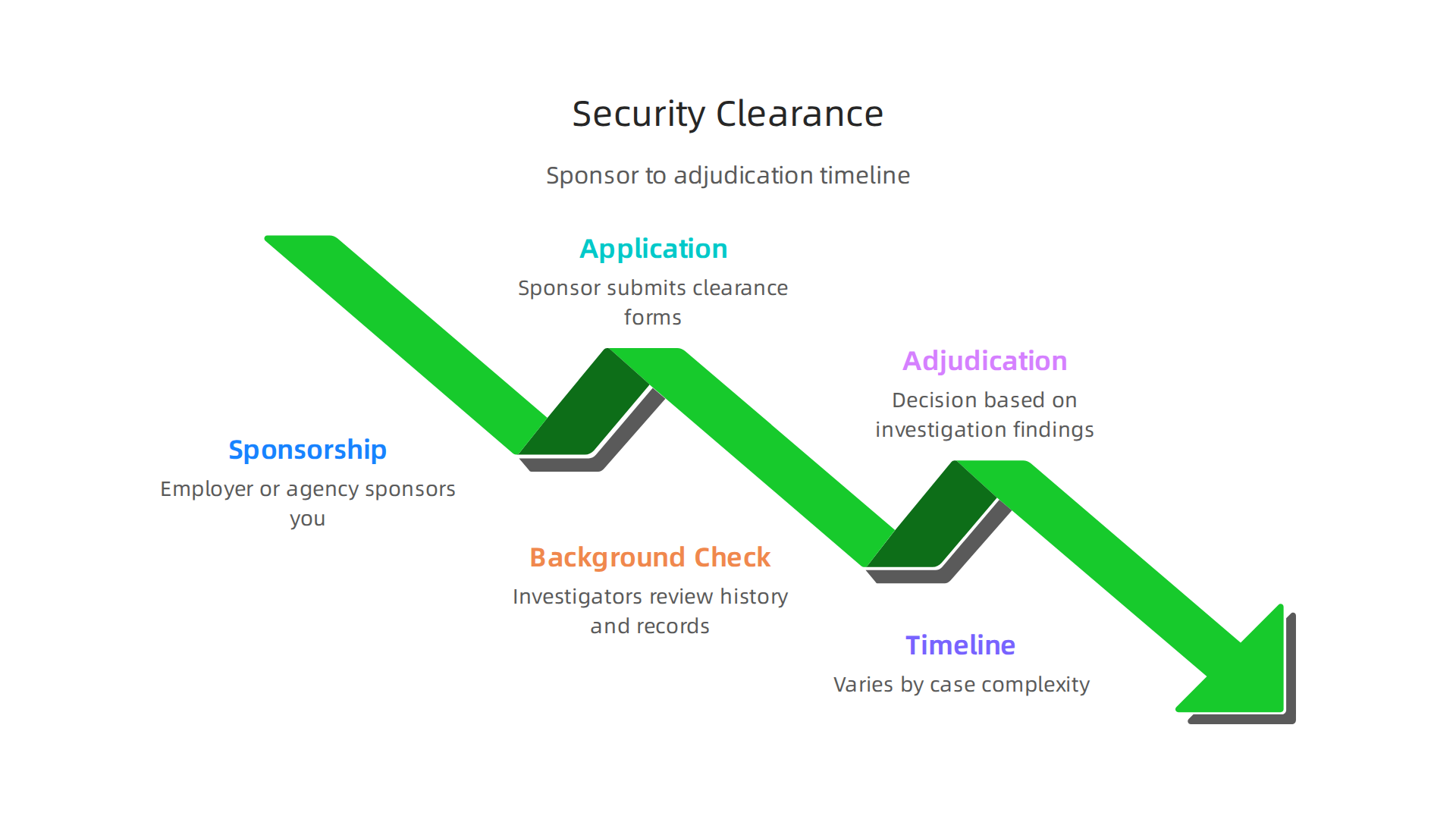
[^personnel_facility_security_trends_2024].
You’ll fill out a very long form with lots of details about your life. This includes where you’ve lived, where you’ve worked, your schooling, your family, and your financial history. Honesty is key here.
Deep Background Checks
After you fill out the forms, investigators will start checking everything you wrote down. This is called a background check. They will look into your past, talk to your friends, family, neighbors, and past employers. They might even contact people from your school days. Think of it as a very thorough check to make sure you’re reliable. In 2026, the Defense Counterintelligence and Security Agency (DCSA) has even updated its interview steps to make sure they are very careful [^march_2026_defense_counterintelligence_security_agency].
The main things they look at are called "adjudicative guidelines." These are a set of rules used to decide if someone should get a clearance [^security_executive_agent_directive_4_adjudicative_guidelines]. They focus on things like:
- Your honesty: Did you tell the truth on your forms and during interviews?
- Your finances: Are you good with money, or do you have big debts that could make you a target for bribes?
- Your behavior: Have you had problems with the law or misused drugs?
- Your foreign connections: Do you have close family members or strong ties to other countries, especially those that might be considered a risk to the U.S. [^opnavinst_1420_1c_n131_5_mar_2026_opnav_instruction]? Having foreign connections doesn’t always mean you won’t get a clearance, but it will be looked at very closely.
Common Disqualifiers
Some things can make it hard or even impossible to get a security clearance. These include:
- Lying or hiding information during the process.
- Serious criminal history.
- Recent illegal drug use.
- Very bad financial problems that make you easily influenced.
- Ties to foreign governments or groups that could pose a security risk.
The government wants to make sure you are loyal and trustworthy.
How Long Does It Take?
Getting a security clearance isn’t quick. The timeline can be different for everyone.
- A Confidential or Secret clearance might take a few months.
- A Top Secret clearance can take much longer, sometimes six months to over a year, because the background check is so much deeper.
The government is always working to make these processes smoother. For example, in March 2026, there was a plan to collect data to help with future security investigations [^dcsa_voice_of_industry_2026_march].
Employer-Sponsored vs. Existing Clearance
There are two main ways to get or use a clearance:
- Employer-Sponsored Clearance: Most people get their first clearance this way. A company that has government contracts needs you to have a clearance for a specific job, so they sponsor your application. This is common for many federal contractor clearance jobs.
- Transferring an Existing Clearance: If you already have a clearance from a previous job, it’s often easier to get hired for a new role that needs the same clearance level. Your clearance might be "active" or "current," which means a new employer can often just pick it up or reactivate it faster than starting a brand new investigation. The Department of Defense (DoD) keeps records of clearances for this reason [^dodm_5220_22_volume_2_august_1_2018_air_force]. This can give you a big advantage when looking for new opportunities.
If you’re looking for high-paying roles that require special access, understanding how to navigate these processes is key. Finding the right remote clearance jobs often starts with knowing which companies sponsor clearances and what they look for. To learn more about securing top-tier positions, check out our guide on how to find high-ticket remote sales jobs in 2026.
Transitioning into government-related roles, especially those requiring security clearance jobs, might seem like a big jump for sales professionals. But actually, many skills you use in sales are super valuable in these new areas. It’s all about knowing how to talk about your experience in a way that makes sense to government agencies or contractors.
Turning Sales Skills into Clearance Job Strengths
Think about what makes a great salesperson. You manage a "pipeline" of customers, right? You keep track of who you’re talking to, what they need, and how to move things forward. That’s a lot like project management or contract management in the government world.
Here’s how to think about your sales skills for clearance jobs:
- Pipeline Management: In sales, you handle many leads and deals at once. This shows you can organize big projects, keep track of many moving parts, and meet deadlines. For government work, this means you’re good at managing tasks, following complex rules, and making sure everything gets done on time. You can talk about how you manage customer relationships and project schedules, which is key for roles like procurement or logistics.
- Negotiation: Sales pros are great at finding solutions that work for everyone. This skill is gold in government contracting or any role where you need to agree on terms and conditions. You know how to listen, understand different needs, and come to a fair outcome. This shows you can handle important agreements and keep things fair, which is essential for ensuring good deals for the government.
- Enterprise Selling: When you sell to big companies, you deal with many people and long decision processes. This proves you can work with large groups, understand complex needs, and be patient. Government deals are often big and take a long time, so this experience shows you’re ready for that kind of environment.
To show you are even more prepared, consider getting certifications. For example, the Certified Professional in Supply Management (CPSM) is a well-known certification that can help show your skills in buying and getting supplies, which is a big part of many government contracts and often requires clearances in 2026. Other similar certifications like those from the American Purchasing Society can also boost your resume

[^american_purchasing_society_certifications]. These types of certifications validate your skills and help you stand out [^scoperecruiting_supply_chain_certifications].
Resume and LinkedIn Tips for Cleared Roles
When writing your resume or updating your LinkedIn profile for clearance jobs, remember these points:
- Use Government-Friendly Words: Instead of "closed deals," say "managed contracts" or "achieved project goals." Focus on words like "compliance," "reporting," "project coordination," and "stakeholder management."
- Show, Don’t Tell: Give examples of how you met targets or solved problems. For instance, "Improved customer satisfaction by X%" or "Managed a project from start to finish, meeting all deadlines."
- Highlight Your Clearance (If You Have One): If you already have an active security clearance, put it clearly at the top of your resume. This is a huge plus for employers who need people right away.
- Keep Confidentiality: When talking about past jobs, especially if they were sensitive, describe your responsibilities and achievements in general terms. Never share specific details that are confidential.
- Look for Keywords: Many job postings for government roles use specific words. Read job descriptions carefully on sites like Indeed jobs, Dice jobs, or even USAJOBS for USPS jobs, and use similar keywords on your resume and LinkedIn profile.
Talking to Federal and Contractor Employers
When you get an interview or reach out to someone about clearance jobs, remember that government and contractor hiring can be different from regular sales.
- Understand Their Process: Government contracts have strict rules and often long hiring cycles. Show that you understand this and are patient.
- Focus on Trust and Reliability: These employers want to know you are dependable and will follow the rules. Talk about your honesty, attention to detail, and ability to keep important information safe.
- Show You’re a Team Player: Government work often involves big teams. Highlight how you’ve worked well with others to reach shared goals.
- Research: Learn about the agency or company you’re talking to. What are their big projects? What kinds of challenges do they face? This shows you’re serious and have done your homework.
By reframing your sales background and showing how your skills fit the needs of government and contractor roles, you can open doors to exciting new career paths in clearance jobs. If you’re looking for more tips on finding high-paying opportunities, check out our guide on how to find high-ticket remote sales jobs in 2026.Transitioning into government-related roles, especially those requiring security clearance jobs, might seem like a big jump for sales professionals. But actually, many skills you use in sales are super valuable in these new areas. It’s all about knowing how to talk about your experience in a way that makes sense to government agencies or contractors.
Turning Sales Skills into Clearance Job Strengths
Think about what makes a great salesperson. You manage a "pipeline" of customers, right? You keep track of who you’re talking to, what they need, and how to move things forward. That’s a lot like project management or contract management in the government world.
Here’s how to think about your sales skills for clearance jobs:
- Pipeline Management: In sales, you handle many leads and deals at once. This shows you can organize big projects, keep track of many moving parts, and meet deadlines. For government work, this means you’re good at managing tasks, following complex rules, and making sure everything gets done on time. You can talk about how you manage customer relationships and project schedules, which is key for roles like procurement or logistics.
- Negotiation: Sales pros are great at finding solutions that work for everyone. This skill is gold in government contracting or any role where you need to agree on terms and conditions. You know how to listen, understand different needs, and come to a fair outcome. This shows you can handle important agreements and keep things fair, which is essential for ensuring good deals for the government.
- Enterprise Selling: When you sell to big companies, you deal with many people and long decision processes. This proves you can work with large groups, understand complex needs, and be patient. Government deals are often big and take a long time, so this experience shows you’re ready for that kind of environment.
To show you are even more prepared, consider getting certifications. For example, the Certified Professional in Supply Management (CPSM) is a well-known certification that can help show your skills in buying and getting supplies, which is a big part of many government contracts and often requires clearances in 2026. Other similar certifications like those from the American Purchasing Society can also boost your resume [^american_purchasing_society_certifications]. These types of certifications validate your skills and help you stand out [^scoperecruiting_supply_chain_certifications].
Resume and LinkedIn Tips for Cleared Roles
When writing your resume or updating your LinkedIn profile for clearance jobs, remember these points:
- Use Government-Friendly Words: Instead of "closed deals," say "managed contracts" or "achieved project goals." Focus on words like "compliance," "reporting," "project coordination," and "stakeholder management."
- Show, Don’t Tell: Give examples of how you met targets or solved problems. For instance, "Improved customer satisfaction by X%" or "Managed a project from start to finish, meeting all deadlines."
- Highlight Your Clearance (If You Have One): If you already have an active security clearance, put it clearly at the top of your resume. This is a huge plus for employers who need people right away.
- Keep Confidentiality: When talking about past jobs, especially if they were sensitive, describe your responsibilities and achievements in general terms. Never share specific details that are confidential.
- Look for Keywords: Many job postings for government roles use specific words. Read job descriptions carefully on sites like Indeed jobs, Dice jobs, or even USAJOBS for USPS jobs, and use similar keywords on your resume and LinkedIn profile.
Talking to Federal and Contractor Employers
When you get an interview or reach out to someone about clearance jobs, remember that government and contractor hiring can be different from regular sales.
- Understand Their Process: Government contracts have strict rules and often long hiring cycles. Show that you understand this and are patient.
- Focus on Trust and Reliability: These employers want to know you are dependable and will follow the rules. Talk about your honesty, attention to detail, and ability to keep important information safe.
- Show You’re a Team Player: Government work often involves big teams. Highlight how you’ve worked well with others to reach shared goals.
- Research: Learn about the agency or company you’re talking to. What are their big projects? What kinds of challenges do they face? This shows you’re serious and have done your homework.
By reframing your sales background and showing how your skills fit the needs of government and contractor roles, you can open doors to exciting new career paths in clearance jobs. If you’re looking for more tips on finding high-paying opportunities, check out our guide on how to find high-ticket remote sales jobs in 2026.
You know your sales skills are a great fit for government and contractor jobs. But where do you actually find these special clearance jobs, especially if you want to work remotely? It’s all about knowing the right places to look and what to watch out for.
Where to Find Legitimate Remote Clearance-Friendly Opportunities
Finding clearance jobs means looking in specific places.
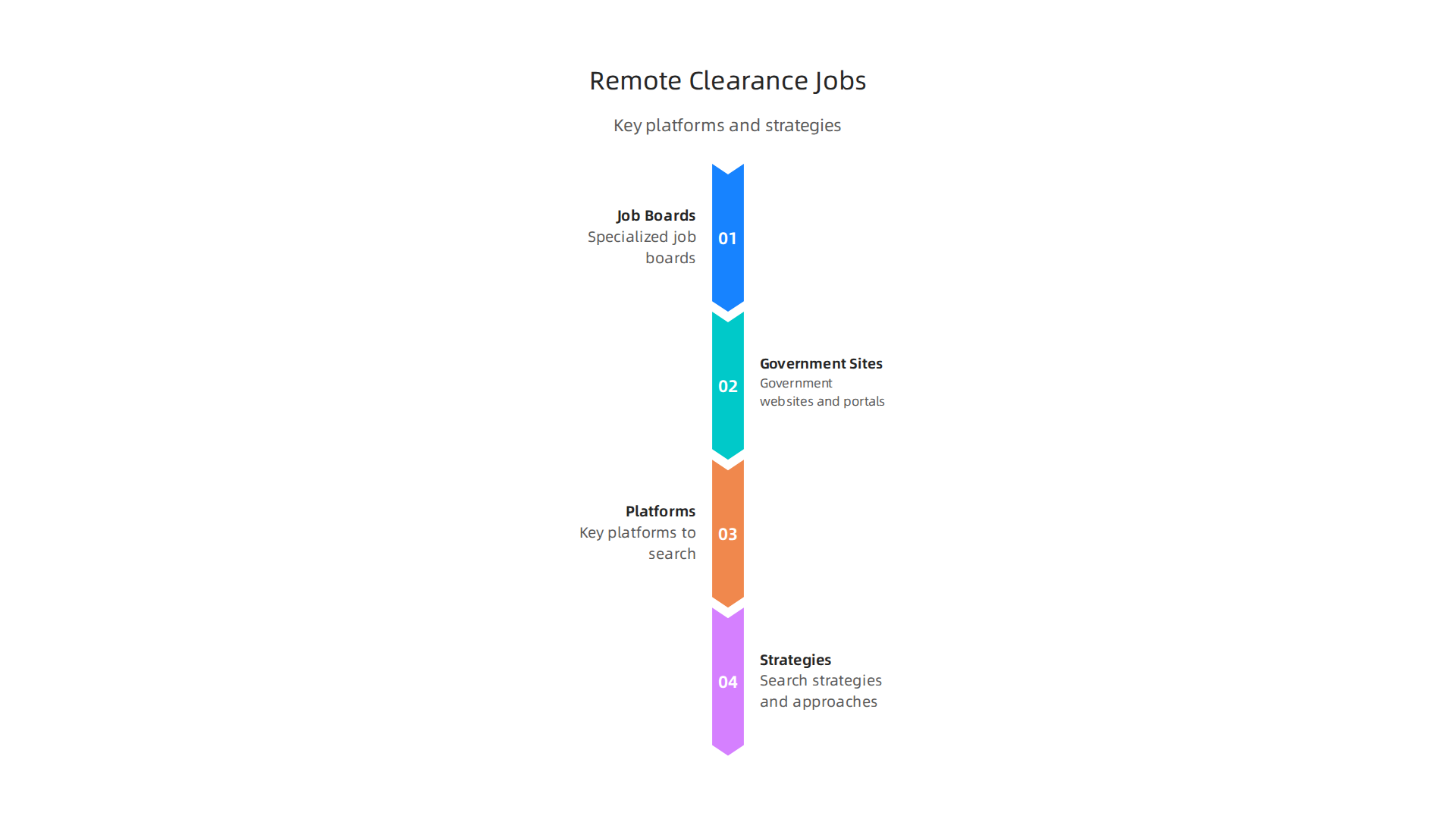
Many companies and government groups hire for these roles in 2026. Here’s where to start your search:
Specialized Job Boards for Cleared Professionals
These websites focus only on jobs that need a security clearance. They are usually the best place to start.
- ClearanceJobs: This is a very big network for people with federal government security clearances.
You can search for many different types of jobs here, including those with remote options [^ClearanceJobs].
- Indeed and ZipRecruiter: While not just for clearance jobs, you can use search filters on sites like Indeed jobs and ZipRecruiter to find "remote security clearance" roles. Many jobs are listed there, from tech to customer service [^Indeed_Remote_Cleared, ^ZipRecruiter_Remote_Security_Clearance].
- Working Nomads and Virtual Vocations: These are great sites for remote jobs in general, and they often list clearance-friendly positions too [^Working_Nomads, ^Virtual_Vocations]. You can find roles like Clearance Specialist or Background Investigator.
- FlexJobs: This is another good option if you are looking for flexible and remote work, including jobs that might require a clearance [^Upwork_Freelance_Websites].
Government Websites and Contractor Portals
Don’t forget the direct sources!
- USAJOBS: For jobs directly with the U.S. government, like many USPS jobs, USAJOBS is the official website.
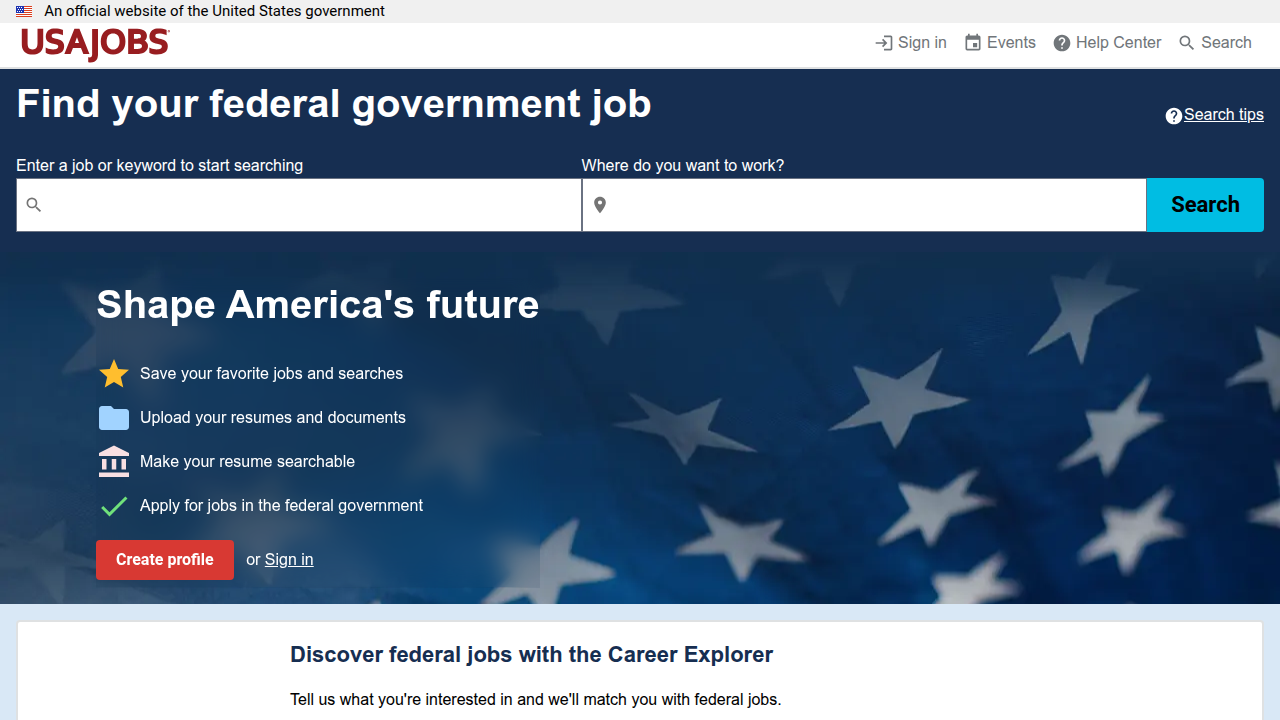
You can find many federal roles here, some of which might be remote or offer telework.
- Contractor Career Sites: Many government jobs are done by private companies called "contractors." These companies often have their own career pages where they list positions needing clearances. Look up big government contractors and check their websites directly.
Cleared Staffing Firms and Agency Outreach
Sometimes, a company that helps people find jobs specializes in cleared roles. These "staffing firms" can connect you directly with employers. Also, don’t be afraid to reach out to people who work in these agencies or companies on LinkedIn for advice.
Understanding Remote Work for Clearance Jobs
"Remote" for clearance jobs can be a little different from a regular work-from-home job.
- Location Rules: Some "remote" jobs might still need you to live in a certain state or close enough to an office to come in sometimes.
- Facility Access: You might need to visit a secure office or facility for certain tasks, like meetings or to use special equipment. This is because classified information needs to be kept very safe.
- Telework Rules: Government agencies and contractors have rules about working from home. These "telework policies" make sure all security requirements are met. Your home setup might need to meet specific security standards.
How to Spot a Real Remote Cleared Job and Avoid Scams
In 2026, many people look for remote jobs, and scammers try to trick them. It’s important to be careful [^FTC_Scams].
- Check the Official Website: If you see a job ad, go to the company’s official website to see if the job is really listed there [^Choose_Work_Scam].
- Look for Clear Details: Legitimate job postings have clear descriptions and specific needs. If a job sounds too good to be true, has vague duties, or asks for little experience for a high salary, it might be a scam [^Indeed_Scam, ^FrontlineSource_Scam, ^UT_Martin_Scam].
- Never Pay for a Job: A real employer will never ask you for money to get a job, buy equipment, or for training [^Burnett_Scams].
- Watch for Strange Emails: Scam emails often have bad grammar or come from personal email addresses, not official company ones.
- Trust Your Gut: If something feels off, it probably is. It’s okay to ask lots of questions to make sure a job is real [^Burnett_Scams]. You can also check out this helpful video on how to spot fake job ads [^YouTube_Scam].
By using these tips, you can find real remote clearance jobs and avoid any traps. It takes a little more digging, but the right opportunity is out there. If you’re keen to explore more about high-paying remote roles, our guide on how to find high-ticket remote sales jobs in 2026 can offer more helpful strategies.
When you look for clearance jobs, you’re often looking for more than just a paycheck. You’re looking for good pay, a steady job, and benefits that truly help you and your family. In 2026, many clearance roles offer just that.
Compensation, Stability, and Total Rewards in Clearance Jobs
How Much Money Can You Make?
Clearance jobs often pay well because they need special skills and a high level of trust. The pay can change a lot depending on if you work directly for the government or for a contractor.
- Government Jobs: For federal roles, like many USPS jobs, salaries follow a set system. The pay for federal workers, including benefits, is a big part of the government’s yearly spending [^OPM_FY2026]. For example, the Department of Energy’s budget for 2026 includes money for staff salaries, benefits, and security clearances [^DOE_FY2026]. Your pay might increase over time with "within-grade" raises and could be part of a pay "banding structure" that sets salary ranges [^AirForce_Salary].
- Contractor Jobs: Companies that work with the government, known as contractors, might offer slightly higher starting salaries than some direct government roles. However, their pay can depend on the specific project and its budget. The pay structure here might be more flexible.
Steady Work and Great Benefits
One of the biggest advantages of clearance jobs is how steady they are.
- Government Stability: Working for the government usually means a very stable job. You often get strong benefits like good health insurance, retirement plans, and paid time off. These benefits add a lot of value beyond your regular salary [^Military_Compensation]. Government jobs are designed to be long-term careers.
- Contractor Stability: While contractors might seem less stable than direct government jobs, many government contracts last for several years. This means if you get a job on a long contract, you can have a steady job for that whole time. Companies often include benefits packages too, though they can vary.
Sales Commissions in Cleared Environments
If you’re in a sales role within the clearance world, how you earn commissions might be different from typical sales jobs. Government and contractor sales often involve very large, complex deals that take a long time to close.
Instead of many small sales, you might focus on winning a few big contracts. This means your commissions could be tied to these large project wins, leading to substantial earnings when they happen. The pay structure for these roles aims to reward success in securing significant deals. If you’re looking for high-income potential in remote sales, understanding these specific structures is key. For more on finding these types of roles, you can explore our guide on how to find high-ticket remote sales jobs in 2026.
Getting a security clearance takes time. We’re talking weeks, months, or even longer in 2026. But you don’t have to just sit and wait. You can use this time to build your skills and make yourself more attractive to employers who hire for clearance jobs. This means when your clearance comes through, you’ll be ready to hit the ground running.
Building credibility: training, certifications, and practical steps while you wait for clearance
While you’re waiting for your clearance, you can do many things to show future employers you’re a serious candidate. Think about what skills are needed for clearance jobs and how you can get them now.
Boost Your Skills with Training and Certifications
Many jobs in the clearance world involve tasks like buying things for the government (procurement) or managing contracts. You can get special training and certifications in these areas even without a clearance. These certifications show you know your stuff.
- Procurement Training: Look into programs that teach you about buying and managing goods or services. Certifications like the Certified Professional in Supply Management (CPSM) are highly valued. Also, programs from the American Purchasing Society, such as the Certified Purchasing Professional (CPP) or Certified Professional Purchasing Manager (CPPM), can show you have strong skills in this area [^AmericanPurchasing]. Getting these helps you stand out in the supply chain field, and they can even lead to higher salaries [^SupplyChainCertifications].
- Federal Acquisition Fundamentals: These teach you how the government buys things. Understanding these rules can make you a great hire for government contractors. Certifications in these fields validate your knowledge and make you more credible with employers [^Scoperecruiting].
Show Your Work: Portfolio and Success Stories
Even if you haven’t had a cleared job before, you have experiences that matter. You can create a portfolio of your past work.
- Practical Portfolio Items: Collect examples of projects you’ve worked on. Did you manage a budget? Lead a team? Improve a process? Show how you solved problems or made things better.
- Non-Sensitive Win Stories: Talk about your successes in simple terms. For example, "I helped my last company save money by finding a better way to buy office supplies" or "I managed a project from start to finish and it was on time." These stories show your skills without revealing anything secret.
Network Smart to Connect with Cleared Employers
Networking is about meeting people who can help your career.

For clearance jobs, it’s a bit different.
- Connect with Hiring Managers: Use sites like LinkedIn to find people who work at companies that have government contracts. Many large companies and government agencies post clearance jobs on platforms like indeed jobs or dice jobs. Look for specific roles and then try to connect with recruiters or hiring managers.
- Go to Industry Events: If there are virtual or local events for government contracting, try to attend. This is a good way to learn and meet people.
- Be Ethical: Remember, a company usually needs to request a government approval or "sponsor" you for a security clearance [^FtMeadeAlliance]. Focus on showing your skills and passion, not on asking them to get you a clearance.
- Watch Out for Scams: When looking for clearance jobs or any job online, be careful. Some job postings can be fake [^IndeedJobScam]. Always check if the job is listed on the official company website [^FTCScam] and be wary of vague job descriptions or requests for personal information too early [^UTMartinScam]. If you’re looking for opportunities with high income potential, it’s especially important to verify the legitimacy of the role. Learn more about finding real opportunities by exploring our guide on how to find high-ticket remote sales jobs in 2026.
Summary
This article explains why security clearance jobs are a strong career move for sales professionals seeking higher pay, stability, and remote opportunities. It defines what clearance jobs are, walks through the common clearance levels (Confidential, Secret, Top Secret) and how those map to sales and business-development roles at government agencies and contractors. The guide covers eligibility, the sponsor-based application process, typical background checks and timelines, and common disqualifiers so you know what to expect. It also shows how sales skills—pipeline management, negotiation, and enterprise selling—translate to cleared roles and offers resume, LinkedIn, and interviewing tips to make your candidacy stand out. You’ll learn where to search for legitimate remote clearance jobs, how telework commonly works for cleared positions, and how to avoid scams. Finally, the article outlines pay differences between federal and contractor roles, commission structures for large contracts, and practical ways to build credibility with certifications while you wait for clearance.