
Traveling around the Bay Area is a big part of life for many people. If you ride Caltrain, or plan to, you know it’s a handy way to get around.

But, how much does it actually cost to take a trip? That’s where understanding your Caltrain ticket cost comes in.
This guide is here to make all of that clear. We’ll dive into everything you need to know about Caltrain fares in 2026. You’ll learn about different types of tickets, like one-way rides and monthly passes. We’ll also show you how Caltrain uses a zone system, which means your trip’s cost depends on how many zones you travel through, not just how far you go overall [Source: Transit.wiki]. For example, traveling within one zone costs less than going across several zones [Source: Caltrain Fares].
Why does knowing the real Caltrain ticket cost matter so much? Well, for regular riders, it helps you plan your monthly budget. It also helps you pick the best pass to save money. For people who ride once in a while, knowing the fares means no surprises at the ticket machine. It lets you choose the right ticket for your journey, whether you’re going to work, a sports event, or just exploring the Bay Area. Understanding your Caltrain ticket cost also helps you plan your money better. This can free up funds for other important things, like learning new skills for a remote sales side hustle.
In this guide, we’ll cover:
- How Caltrain’s zone system works [Source: Caltrain Stations & Zones].
- The different kinds of tickets you can buy.
- Where to buy your tickets, like at stations or with a Clipper® card [Source: Caltrain Clipper].
- Smart tips to save money on your rides.
So, get ready to become a Caltrain fare expert. We’ll help you travel smarter and keep more money in your pocket this year.
How Caltrain’s fare system works: zones, fare types, and rules
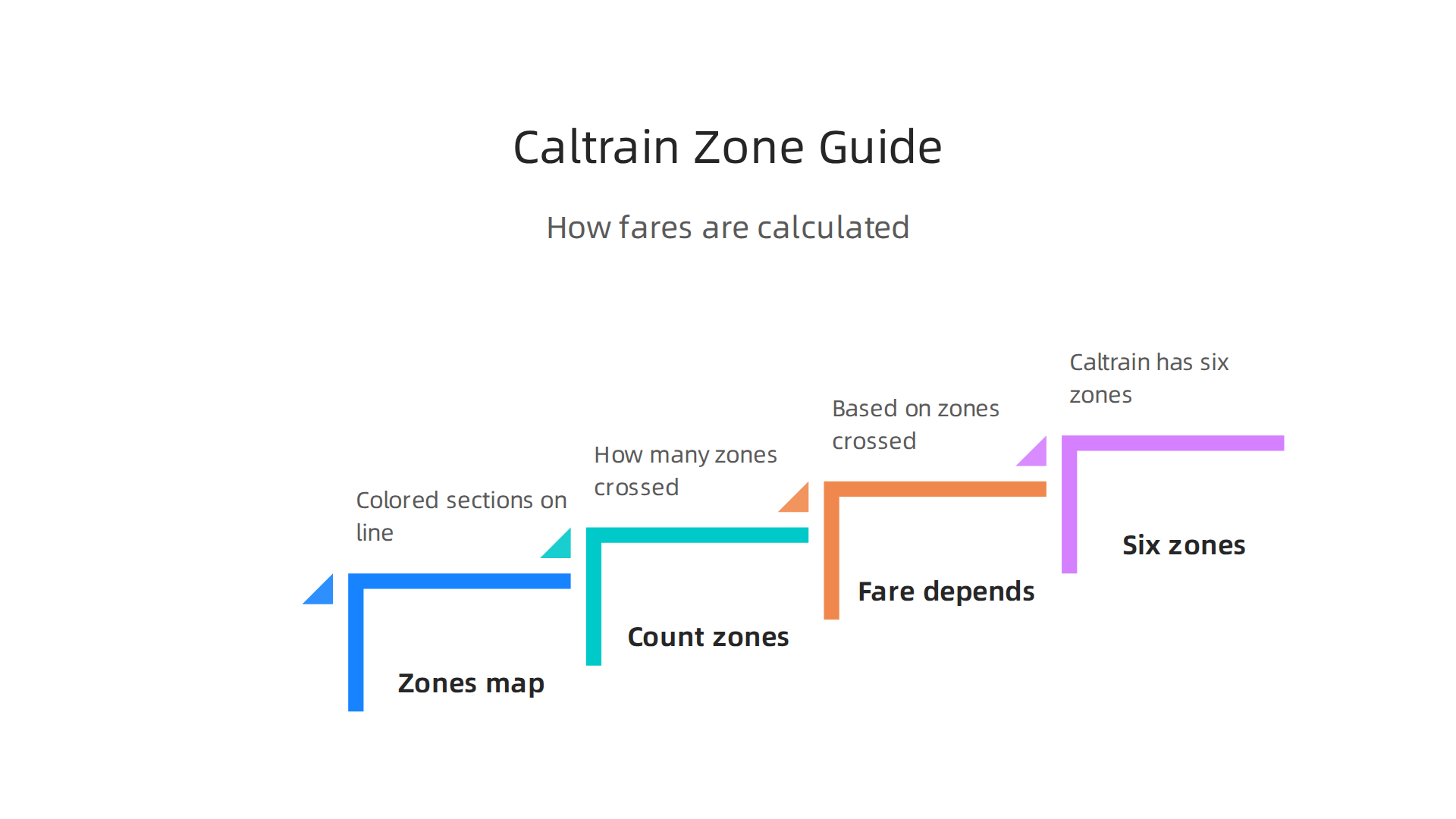
Understanding your Caltrain ticket cost starts with how the system works. Caltrain uses a zone system, which means your fare depends on how many zones you travel through, not just the total distance. Think of it like a map with different colored sections. The Caltrain line has six zones in total [Source: Transit.wiki].
Here’s how it breaks down:
- Zones Matter Most: Your trip begins in one zone and ends in another. The more zones you cross, the higher your Caltrain ticket cost will be [Source: Caltrain Fares]. So, traveling just within one zone costs less than traveling across three or four zones. You can find a map of all the stations and their zones on the official Caltrain website to plan your trip better [Source: Caltrain Stations & Zones].

- One-Way vs. Round-Trip: If you need to go somewhere and come back, you’ll need two one-way tickets or a round-trip ticket. Many people choose daily passes or use a Clipper® card for ease.
Different Kinds of Riders, Different Fares
Caltrain offers different ticket prices based on who is riding. This helps make sure everyone can travel fairly.
- Adult Fares: These are the standard prices for most riders.
- Youth Fares: Kids aged 18 and under can often get a lower Caltrain ticket cost. They might need to show proof of age.
- Senior/Disabled/Medicare Fares: People who are seniors, have a disability, or have a Medicare card also get special discounted fares.
- Children 5 and Under: Good news! Kids aged 5 and under ride for free when with an adult, with a limit of three kids per adult [Source: Caltrain Fares].
- Clipper® Card Users: Using a Clipper® card can sometimes give you a small discount on your fare compared to buying a paper ticket. It’s also super easy to use, just tap and go [Source: Caltrain Clipper].
Key Rules for Your Caltrain Ride
To make sure your trip goes smoothly and you avoid any trouble, here are some important rules to remember:
- Proof of Payment: Always have your valid ticket or active Clipper® card ready. Conductors will check to make sure everyone has paid for their ride. If you don’t have a valid ticket, you could face a fine, similar to having to pay an nyc ticket pay for other violations.
- Ticket Validity: One-way tickets are usually good for a certain amount of time after you buy them. Make sure to use your ticket before it expires.
- Monthly Passes for Weekend Fun: If you have a monthly pass, it’s great to know that on Saturdays, Sundays, and holidays, you can travel unlimited times across all zones [Source: Caltrain Post-Clipper Next Generation Fare Structure]. This means you can go anywhere on the line without worrying about extra zone costs, whether you’re heading to a sports game or just exploring. It’s almost like having a special "Sunday Ticket" for all of Caltrain.
Knowing these details about how Caltrain’s zone system and fare types work is key to smart travel. It helps you pick the right Caltrain ticket cost for your needs and ensures you follow all the rules. This way, you can save money and keep more funds free, maybe even to explore new ways to earn, like finding new high-ticket remote sales jobs in 2026.
Current Caltrain Ticket Cost Breakdown (Single Ride, Day, and Monthly Pass)
Let’s look at the actual numbers for your Caltrain ticket cost in 2026. This will help you plan your trips and save money. Remember, the price changes based on how far you go and what kind of ticket you buy.
Single Ride Tickets
A single ride ticket gets you from one station to another, crossing a set number of zones. The more zones you travel through, the higher your Caltrain ticket cost will be. For example, here are some adult prices for a one-way trip, as of 2026:
| Number of Zones Traveled | Adult Single Ride Fare |
|---|---|
| 1 Zone | $8.00 |
| 2 Zones | $12.50 |
| 3 Zones | $17.00 |
| 6 Zones (full line) | $30.50 |
You can buy these tickets at any Caltrain station using a ticket machine, or you can use your Clipper® card [Source: Caltrain Fares].
A "day ticket" usually means buying two one-way tickets for a round trip.
Monthly Passes for Frequent Riders
If you ride Caltrain often, a monthly pass can be a smart choice to lower your overall Caltrain ticket cost. This pass lets you travel as much as you want within a certain number of zones for a whole month [Source: Caltrain Fares].
For example, an adult 1-zone monthly pass costs around $96.00 in 2026. If you make many trips within that one zone, this pass quickly becomes cheaper than buying single tickets every time.
Here’s a quick look at monthly pass costs for one zone:
- Adult Monthly Pass (1 Zone): $96.00
- Eligible Discount Monthly Pass (1 Zone): $48.00 (for seniors, disabled, or Medicare cardholders)
- Youth Monthly Pass (1 Zone): $24.00
A great perk of the monthly pass is that on Saturdays, Sundays, and holidays, it’s good for unlimited travel across all zones, no matter which zones you bought it for [Source: Caltrain Post-Clipper Next Generation Fare Structure]. This is awesome for weekend plans. You could travel all the way to a major event, almost like a special sunday ticket for the whole system, without worrying about extra zone costs. If you were thinking of going to a big game, say, with a philadelphia eagles ticket or another sports event, your monthly pass could get you there on the weekend!
Special Ticket Types to Know
Caltrain also has special fares for different riders:
- Youth Fares: If you’re 18 or younger, you can get a super low Caltrain ticket cost. It’s just $1 for a one-way ride or $2 for an all-day pass, good across all zones [Source: Caltrain Youth Tickets Start at $1]. You can apply for a free Youth Clipper® card to get these special prices [Source: Caltrain Clipper]. For young people looking for ways to earn, understanding travel costs can be helpful, especially if they are considering jobs for 15-year-olds.
- Zone Upgrade Tickets/Special Events: Sometimes, if you’re traveling to a big event like a game at Levi’s® Stadium or visiting Great America, there might be an extra cost or a "zone upgrade ticket" needed. This means paying a little more than a standard ticket to cover the special destination [Source: Caltrain Ticket Types]. These costs are sometimes planned to increase, with a $0.25 increase on Zone Upgrade fares planned for January 1, 2027 [Source: Caltrain Proposed Fares].
Where and how to buy Caltrain tickets (apps, vending, Clipper card)
Knowing where and how to buy your Caltrain ticket is just as important as knowing the Caltrain ticket cost. Luckily, you have a few easy ways to get your ticket before you ride in 2026.
The Easy Way: Clipper Card
The Clipper card is like a reusable card for all your Bay Area transit needs, including Caltrain. It’s often the easiest way to pay for your Caltrain ticket cost.
- How it works: You put money on your Clipper card, and then you just "tap to pay" when you get on and off the train [Source: History of Caltrain Pricing and Fare Structure Changes 1980 – 2026].
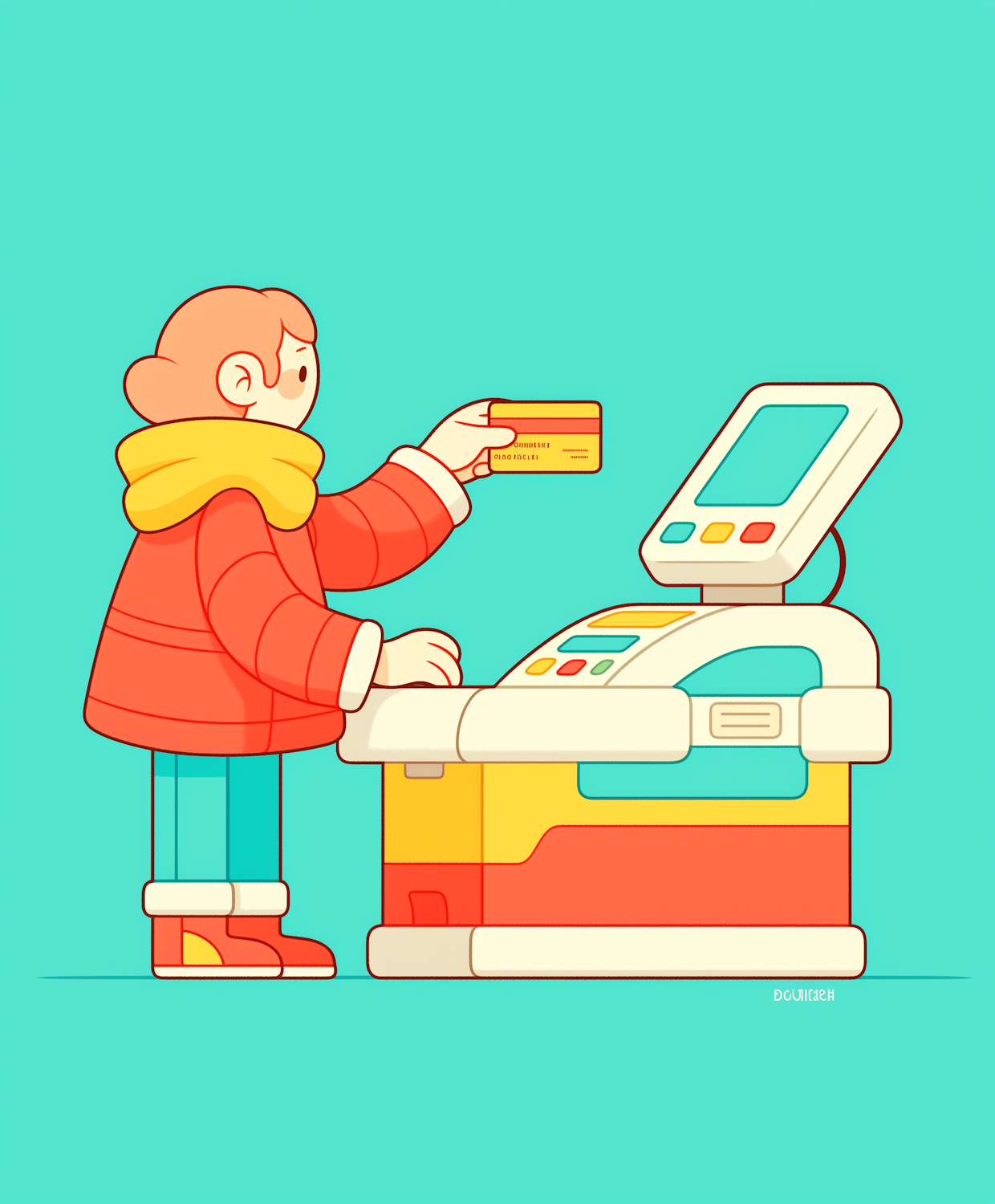
This means you tap your card at the platform validator before you board and after you get off.
- Where to get one: You can get a Clipper card online or at certain stores. For young people (18 and under) and seniors, you can even get special free Clipper cards. This is great for getting those low youth fares, like $1 one-way or $2 all-day tickets [Source: Caltrain Youth Tickets Start at $1]. Applying online for a Youth or Senior Clipper card is simple and free [Source: Clipper® | Caltrain].
- Benefits: It’s super fast, you don’t need exact change, and you can load monthly passes onto it too [Source: Fares].
Buying Tickets at the Station
If you don’t have a Clipper card or just need a single ride ticket, the station vending machines are your friend.
- Ticket Machines: Every Caltrain station has ticket machines. You can buy single-ride tickets, day passes, and even zone upgrade tickets here. These machines usually take cash and credit cards. When you buy a paper ticket, make sure to keep it safe, because you’ll need to show it if a conductor asks.
- Adding Value to Clipper: You can also use these machines to add money to your Clipper card if you prefer not to do it online.
Buying a Ticket Onboard? Think Twice!
It’s very important to buy your Caltrain ticket before you get on the train. Conductors often check tickets, and if you don’t have a valid ticket, you could face a fine [Source: Pre-Clipper Next Generation Fare Structure]. Always make sure you’ve tapped your Clipper card or bought a paper ticket before your train leaves the station. It’s much simpler and avoids any extra trouble or cost.
Making sure your travel is easy and affordable helps you save money for other goals. For those looking to boost their income, understanding all their expenses is a smart step. If you’re thinking about new ways to earn, perhaps even in sales roles that offer higher pay, explore options like a remote sales side hustle. This can help you cover daily costs and more.
Monthly Passes and Multi-Ride Options: When They Save You Money
After understanding how to buy your tickets, the next step is to figure out if you can save money on your Caltrain ticket cost by choosing a pass instead of single-ride tickets. For many people, especially those who ride often, passes can make your daily commute much more affordable in 2026.
Is a Monthly Pass Right for You?
A Caltrain Monthly Pass lets you take unlimited rides between the zones you buy it for during an entire calendar month. This pass is loaded onto your Clipper card, making it super easy to tap and go [Source: Fares].
To see if a monthly pass saves you money, you need to think about how often you ride. Let’s look at an example for an adult traveling between two zones:
- One-Way Fare: A single ride between two zones might cost about $4.00 using your Clipper card or a ticket machine [Source: Fares].
- Monthly Pass: A Monthly Pass for two zones for adults costs about $150.00 [Source: Proposed Fares].
To find your break-even point, you divide the pass cost by the one-way fare: $150.00 / $4.00 = 37.5 rides. This means if you take 38 or more one-way trips in a month (which is 19 round trips), the monthly pass will save you money on your Caltrain ticket cost.
That’s usually about five days a week for a full month.
Here’s a bonus: On Saturdays, Sundays, and holidays, your Monthly Pass works for unlimited rides between all Caltrain zones, no matter which zones you bought it for [Source: Post-Clipper Next Generation Fare Structure – Caltrain (PDF)].

That’s a great deal for weekend adventures!
Employer Programs and Special Passes
Did you know some workplaces help with your Caltrain ticket cost? Many companies offer "Go Passes" to their employees. These are special passes that often cover unlimited travel across all Caltrain zones, making your commute free or very cheap. If your company offers a Go Pass, make sure to activate it or check if it needs to be reactivated every few months, as some programs require this to stay active on your Clipper card [Source: Clipper Card Tips and Transfer a Caltrain GoPass to the app].
If you’re thinking about different types of work that might offer great benefits like these, or even more flexible remote options, you might want to learn about jobs that can boost your income.
Connecting to Other Transit
Caltrain passes can also make it easier and cheaper to transfer to other Bay Area transit systems. If you have a Caltrain Monthly Pass for two or more zones on your Clipper card, you can get transfer credits when you connect to SamTrans or VTA buses [Source: Clipper on Caltrain FAQ]. This means a part of your next ride might be free or discounted, which further reduces your overall travel expenses. Different rules apply to different agencies, so it’s always good to check the Caltrain website for the latest details on how these regional transfer discounts work [Source: Regional Transfer Discounts – Caltrain].
Tips for Riding Sometimes
What if you don’t ride Caltrain every day, like a hybrid worker or someone who only travels a few times a week?
- Day Passes: If you plan to make more than two trips in one day, a Day Pass is probably your best bet. It costs twice the one-way fare for your chosen zones and lets you ride all day. For example, if a one-way trip is $4.00, a Day Pass is $8.00 [Source: Fares]. This is perfect for a special event or a day of errands.
- Clipper START: For eligible adults who have lower incomes, the Clipper START program offers a 50% discount on single rides. This can greatly reduce your Caltrain ticket cost if you qualify [Source: Clipper START on Caltrain].
- Single Rides on Clipper: Even if you don’t buy a pass, using your Clipper card for single rides is still the easiest way to pay. You just tap when you get on and off, and the correct fare is taken from the money loaded on your card.
No matter how often you ride, knowing your options for passes and multi-ride tickets can help you save money and make your Caltrain trips smoother.
Transfers, discounts, and reduced fares (Clipper, student, employer programs)
Finding ways to lower your Caltrain ticket cost doesn’t stop at choosing the right pass. You can save even more money by knowing about transfer discounts and special programs. These tips are super helpful for making your overall travel cheaper in 2026.
Making Connections: Transfers to Other Transit
Your journey might not end with just Caltrain. Many people need to hop on a bus or another train after their Caltrain ride. Good news! Caltrain works with other local transit systems to help you save money on these connections. You can often transfer between Caltrain and other services like BART, VTA, ACE, or Amtrak trains [Source: Transferring & Connecting].
Here’s how it can help your Caltrain ticket cost:
- If you have a Caltrain Monthly Pass for two or more zones on your Clipper card, you can get special transfer credits when you connect to SamTrans or VTA buses [Source: Clipper on Caltrain FAQ]. This means a part of your next ride might be free or cost less.
- For example, if you transfer from Caltrain to a VTA Express bus, youth and seniors might ride for free. Adults might pay about $2.50, which you can pay using cash value on your Clipper card [Source: Inter-agency Transfers].
- It’s smart to always check the Caltrain website for the newest information on how these regional transfer discounts work, because rules can be different for each transit agency [Source: Regional Transfer Discounts – Caltrain].
Important Note for 2026: As of January 1, 2026, Caltrain has removed the 55-cent discount that used to be applied to all Clipper fares. This change means all ways of paying will have similar prices [Source: Caltrain to Eliminate Clipper Discount on Jan. 1]. Even with this change, using your Clipper card is still the easiest way to manage your fares, just make sure you always have at least $1.25 cash value on it [Source: Clipper® | Caltrain].
Special Discounts Just for You
Beyond regular passes and transfers, Caltrain offers special reduced fares for certain riders. These can make your Caltrain ticket cost much lower.
- Low-Income Adults: If you are an adult with a lower income, the Clipper START program is a big help. It gives you a 50% discount on single rides. To get this discount, you need to apply and show you are eligible [Source: Clipper START on Caltrain].
- Youth (Students): Kids and teens can often ride for less. Caltrain has been running a pilot program from April 2024 to June 2026 where youth can ride for free [Source: Adopt Proposed Fare Structure FY27-30 and Caltrain Charter Train]. Always check the Caltrain website to see if this program is still active or for other student discounts.
- Seniors and Disabled Riders: Seniors and people with disabilities also get lower fares. You’ll need to use a special Clipper card for seniors or disabled riders to get these discounts.
Employer Programs for a Cheaper Commute
Many companies want to help their employees get to work. That’s why some offer special "Go Passes."
- What are Go Passes? These are special passes that your job provides. They often let you travel as much as you want on Caltrain across all zones, making your commute free or very cheap. This can dramatically reduce your personal Caltrain ticket cost.
- How to Use Them: If your company gives you a Go Pass, make sure it’s active on your Clipper card. Some programs ask you to reactivate your pass every few months, usually in April, August, and December. This stops your pass from stopping working after 180 days [Source: Clipper Card Tips and Transfer a Caltrain GoPass to the app].
- Ask Your Boss: If you’re not sure if your workplace offers a Go Pass, ask your HR department. It’s a great benefit that can save you a lot of money each month.
Thinking about jobs with great benefits, or maybe even those that offer remote work? Many people are looking for ways to boost their income in 2026. Finding jobs that help with commute costs or let you work from home can really make a difference. You might want to explore how to find high-ticket remote sales jobs to see what’s out there.
Peak vs off-peak pricing, service changes, and seasonal adjustments
When you plan your Caltrain trip, you might wonder if the Caltrain ticket cost changes depending on when you ride. Some other train systems have different prices for busy times. Let’s look at how Caltrain handles this, along with other changes that can affect your ride.
Do Caltrain Ticket Costs Change for Peak Hours?
Here’s something good to know: Caltrain generally does not have different ticket prices for peak (busy) hours versus off-peak (less busy) hours for single rides. The price of your one-way or day ticket usually stays the same no matter when you travel. This is different from some other transit systems, like BART, which has seen fare increases to help cover service costs [Source: BART fares increase 6.2% on January 1, 2026, to help pay for service].
However, the service itself does change. During weekdays, Caltrain has more frequent trains during morning and evening rush hours. During off-peak times on weekdays, trains might run every 30 minutes [Source: Caltrain Board Budget Workshop]. On weekends and holidays, if you have a Monthly Pass, it’s good for unlimited trips between all zones, which can be a great value for exploring [Source: Pre-Clipper Next Generation Fare Structure]. While the ticket price doesn’t change, the frequency of trains can make your ride feel more or less convenient.
How Service Changes Affect Your Ticket Value
Caltrain sometimes makes changes to its schedule. These are called service changes. For example, Caltrain made minor schedule changes for weekdays and weekends starting January 31, 2026, to bring back electric train service in some areas [Source: 2026 Service Changes – Caltrain].
Here’s how these changes can affect the value of your Caltrain ticket cost:
- Monthly Pass Holders: If service becomes more frequent, your monthly pass offers even more flexibility and value. If service is cut, your unlimited rides might feel less useful if you have to wait longer for a train.
- Day Pass Users: If trains are less frequent, a day pass might not feel like the best deal if you only take a couple of rides and spend a lot of time waiting.
- One-Way Ticket Buyers: Schedule changes might mean you need to leave earlier or later than planned, which could affect your day.
Caltrain also looks at things like making services more efficient and sometimes considers fare changes to help with costs [Source: Adopt Proposed Fare Structure FY27-30 and Caltrain Charter Train]. These bigger changes can impact everyone’s Caltrain ticket cost in the future.
Staying Updated on Fare and Service Changes
It’s super important to stay in the loop about any changes to Caltrain’s fares or services.
- Check the Official Website: The best place to find the latest information is always the Caltrain website. They have sections for proposed fares and service updates.
- Look for Announcements: Caltrain will announce any big changes, like when they removed the 55-cent Clipper discount on January 1, 2026 [Source: Caltrain to Eliminate Clipper Discount on Jan. 1]. These announcements are key to understanding future Caltrain ticket cost adjustments.
- Special Programs: Remember the youth fare-free pilot program that ran from April 2024 to June 2026? These kinds of temporary programs are announced and can save you a lot.
By checking regularly, you can make smart choices about your tickets and travel plans. Knowing when schedules shift or if there are special deals can help you manage your overall Caltrain ticket cost effectively. If you are looking for ways to save money, perhaps finding a job that allows you to work from home could be helpful. You might even find opportunities in how to find high-ticket remote sales jobs.
Cost Comparisons and Money-Saving Strategies (Caltrain vs alternatives)
When you travel in the Bay Area, Caltrain is often a great choice. But it’s smart to think about other ways to get around too. Comparing your options can help you find the best value for your caltrain ticket cost or any other ride. Let’s look at how Caltrain stacks up against other transit like BART, local buses, and even rideshares in 2026.
Caltrain vs. Other Ways to Travel
Here’s a simple way to compare your choices:
- Caltrain: Your
caltrain ticket costdepends on how many zones you travel through. A one-way ticket can be between $4.00 and $8.50, and a day pass between $8.00 and $17.00 [Source: Fares – Caltrain]. Monthly passes are also available if you ride often. - BART: BART also charges by how far you go. As of January 1, 2026, the average BART fare went up to $5.18 [Source: BART fares increase 6.2% on January 1, 2026, to help pay for service]. People often choose BART for trips into San Francisco or to the East Bay. Sometimes, BART and Caltrain connect, like at Millbrae, and you might use both [Source: Millbrae Transit Access for Buyers: Caltrain or BART?].
- Local Buses (like SamTrans or VTA): Buses are usually cheaper for shorter trips and can get you to places trains don’t go. However, bus systems often need more money from taxes to run compared to BART, which gets more money from rider fares [Source: Transit Cost-Effectiveness – Vital Signs – SF Bay Area].
- Rideshares (like Uber or Lyft): These services are convenient because they pick you up right where you are and take you exactly where you want to go. But for daily commuting, rideshares can be much more expensive than public transit. Think of them as a good choice for special trips or when you’re in a hurry.
Choosing the best option means thinking about your trip’s length, how often you travel, and how important convenience is to you.
Smart Ways to Save Money on Commuting
No matter which way you travel, there are tricks to lower your overall caltrain ticket cost or other travel expenses:
- Buy a Monthly Pass: If you ride Caltrain a lot, a monthly pass is often much cheaper than buying many single tickets [Source: Fares – Caltrain]. The same goes for combined passes like a BART/Muni pass if you use both in San Francisco [Source: Getting Around San Francisco in 2026. Transportation without tears!].
- Look for Discounts: Caltrain offers special programs like the Clipper START Fare, which can give qualifying riders at least a 50% discount [Source: Pre-Clipper Next Generation Fare Structure – Caltrain]. Always check the Caltrain website for current deals.
- Use Employer Benefits: Many companies offer commuter benefits. This could mean your employer helps pay for your transit pass or lets you pay for it with money from your paycheck before taxes are taken out. This can save you a good chunk of money each month.
- Consider Walking or Biking: For short distances to or from the station, walking or biking can save you money on a bus ride or a rideshare. It’s also good for your health!

- Work from Home: Actually, the best way to save money on commuting is not to commute at all! If your job allows, working from home can cut out all travel costs. Many people are looking into this, especially finding good remote sales jobs. You can even learn how to find high-ticket remote sales jobs to boost your income from home.
Your Commuting Cost Checklist
To pick the best and cheapest way to commute, ask yourself these questions:
- How many times do I travel each week or month?
- What’s the one-way
caltrain ticket costfor my usual trip? What about a monthly pass? - How much would a similar trip cost on BART or local buses?
- If I drove, how much would gas, parking, and car wear-and-tear add up to?
- Do I get any commuter benefits from my job?
- Are there any special discounts I can use, like Clipper START?
- Could I save money by combining walking/biking with public transit?
By thinking about these points, you can make smart choices and keep more money in your pocket.
Summary
This guide explains Caltrain ticket costs for 2026, showing how the zone-based fare system determines what you pay for single rides, day passes, and monthly passes. It covers fare types for adults, youth, seniors, and reduced programs like Clipper START, and explains practical buying options—Clipper cards, station machines, and employer GoPasses. You’ll learn concrete fare examples by zone, how to calculate whether a monthly pass saves you money, and special rules like free travel for children under five and weekend unlimited travel on monthly passes. The article also compares Caltrain to alternatives like BART and buses, outlines transfer and discount opportunities, and gives service-change and scheduling tips so you can avoid surprises and optimize your commuting cost.